

Concrete Floors and Foundation Repair: Protect Your Home explains how cracks, uneven slabs and water intrusion can affect homes in the Toronto and GTA area. Many homeowners first notice damp corners, a musty odour, or doors that stick after a thaw or heavy rain. These signs often relate to hydrostatic pressure, shifting soils, or blocked drains. If you prefer, call (905) 601-9449 or contact us for a free estimate and a 24/7 response.
Concrete Floors and Foundation Repair: What Homeowners Notice
Many homeowners first notice moisture at the floor–wall joint, small cracks in concrete, or an uneven floor surface underfoot.
Common observations that point to failing slabs or foundations include:
- Visible foundation cracks: hairline to wider cracks, often diagonal or stair‑step in older brick foundations.
- Sunken or uneven concrete slab areas, which can make doors stick or trim separate from walls.
- Basement moisture: damp patches, efflorescence, or a musty odour near the perimeter.
- Intermittent pooling after heavy rain or slow drainage near downspouts and foundation walls.
It’s helpful to know that addressing visible seepage usually involves both drainage work and repairs to the concrete or foundation. We commonly discuss interior and exterior options, including basement waterproofing, and provide a clear, written estimate before any work begins.
What Causes Settlement, Cracks and Water Intrusion
Before any work, we review grading, foundation details, and plumbing so the plan fits your home and local code.
Several routine factors often contribute to settlement and water entry in Toronto and the Golden Horseshoe:
- Soil movement and poor compaction at the time of construction, which can cause gradual settlement.
- Hydrostatic pressure from saturated soils during spring thaws or heavy rain, pushing water toward the foundation.
- Blocked or damaged weeping tile, clogged drains, or blocked downspouts that let water accumulate at the footing.
- Plumbing leaks under slabs or within foundation walls that create localized moisture and can widen cracks over time.
A few considerations we review together include site grading, roof and gutter performance, and any nearby trees or landscaping that affect drainage. Every property has nuances; we talk them through so you feel informed and comfortable.
How Professionals Assess The Problem (Step By Step)
A methodical inspection helps match the repair to the cause rather than applying a quick fix.
Site Inspection And Diagnostics
Our initial visit typically involves a visual check and a few common diagnostic steps.
- Level survey and floor measurements to quantify settlement and track movement over time; readings normally take under an hour for a typical basement.
- Moisture mapping and cavity checks at the floor–wall joint to see where water is entering and how active it is.
- Camera inspection of drains and accessible sewer lines when needed to check for blockages or pipe failure.
Structural & Geotechnical Review
Some jobs require deeper review to recommend underpinning or large‑scale repairs.
- Soil condition checks and geotechnical reports for underpinning candidates, which may be requested for heavier structural work.
- Engagement with a structural engineer when permitting or complex load transfer is involved; this step can add several weeks to the schedule depending on municipal requirements.
Repair Options Explained: From Crack Injection to Underpinning
Here are commonly used professional approaches and the situations where each is typically applied.
Shallow Repairs: Crack Injection, Slab Jacking, Interior Drainage
These methods address active leaks and localized settlement without major structural work.
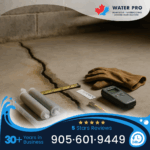
- Crack injection. Polyurethane injections are used for active water entry and can be completed in a few hours for a single crack. Structural epoxy may be used where a bonded repair is needed. Typical ballpark pricing is $300–$1,500 per crack depending on location and access.
- Slab jacking (slab lifting). Technicians pump a grout or foam mixture beneath a sunken slab to lift and level it. Small lifts can be done in 1–2 days with minimal disruption to the rest of the home.
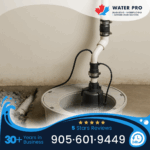
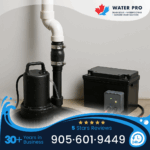
- Interior perimeter drainage and sump systems. An interior drain channel tied to a sump pump manages water that reaches the footing. Installation commonly takes 2–5 days depending on basement layout. For help with drain lines or camera inspection we can coordinate our drain repair & services team.
Deep Foundation Work: Helical Piers, Push Piers, Underpinning
Underpinning methods transfer foundation loads to more stable soils and are used when settlement is significant or continuing.
- Helical piers. These screw into load‑bearing strata with minimal vibration and are often chosen for limited‑access urban sites. Installation time varies with the number of piers and site access, from a single day for a small job to multiple days for larger scopes.
- Push or driven piers. These are driven to bearing strata and are used for heavier loads; they may require larger equipment and additional site coordination.
- Combined repairs. Underpinning is commonly paired with exterior waterproofing or interior drainage to address both structural support and water control. Structural engineer involvement and municipal permits may be required, which can add 2–8 weeks to the overall schedule depending on reviews and approvals.
Timelines, Costs, Risks And A Short Example Budget
It’s helpful to know realistic timeframes and ranges so you can plan with confidence and avoid surprises.
- Typical timelines: single crack injection, a few hours to 1 day; slab jacking for small areas, 1–2 days; interior drainage and sump pump, 2–5 days; exterior excavation and waterproofing, 5–15 days; underpinning projects, 3–10+ days on site plus any engineering and permit time.
- Ballpark cost ranges: crack injection $300–$1,500 per crack; sump pump systems $700–$4,500; interior perimeter drainage $2,500–$8,000; exterior waterproofing $15,000–$35,000+; underpinning and pier systems vary widely by soil and load—quotes typically report per‑pier and full‑project ranges after site review.
- Softly stated risks and common mistakes: incomplete diagnosis, hiring an unlicensed contractor, or skipping permit checks can lead to repeat work or municipal compliance issues. Before any work, we review grading, foundation details, and plumbing so the plan fits your home and local code.
Mini-case example: a moderate interior drainage job with a new sump pump and discharge, plus minor crack injections, might be quoted at about $6,500. Typical on‑site work for that scope is 3–5 days, with permit and inspection steps adding time based on local requirements.
Most homeowners feel relief after work because moisture is controlled and clear maintenance steps are provided. Our crews are licensed, insured, and offer warranty‑backed work with clean, careful job execution and 24/7 response when urgent issues arise.
What To Do Next And A Homeowner Checklist
A few considerations we review together and simple steps you can take before an on‑site visit.
- Photograph cracks, damp spots, and any sticking doors or uneven floors. Note when symptoms started and whether they follow heavy rain or thaw cycles.
- Locate your sump pit and any backwater valve, and note the last service date if known.
- Check downspouts and grading around the foundation and record whether water pools near the house after rain.
- Gather any past inspection reports, renovation records, or plumbing service notes to share at the visit; these often speed up diagnosis.
If you’d like to schedule a free on‑site assessment, contact us or call (905) 601-9449. We’ll review options, expected timelines, permitting steps, and a written estimate so you can decide with clear information.
This article offers general information for homeowners and is not engineering, legal, or plumbing advice. Assessments and solutions are reviewed during an on-site visit by licensed professionals. If you’re considering waterproofing or drain work, feel free to contact us or call — we’ll discuss your goals and outline a plan that feels comfortable and right for your home.
🔗 Learn more: https://waterproofingdrain.com/
📞 Call us: 905 601-9449
✉️ Write us: info@waterproofingdrain.com
🕒 Open hours: Mon – Sat, 9:00am – 9:30pm