
Slow or recurring drain clogs often start as small annoyances: a sink that takes longer to empty, a shower that pools near the drain, or a faint, musty odour in the basement. Fast drain cleaning to prevent basement backups is a straightforward step that protects home health and can reduce the chance of more costly repairs later. If you notice slow fixtures or standing water, it’s helpful to contact us early for a same-day or next-day assessment. contact us or call (905) 601-9449 to request a free estimate and an on-site inspection.
Fast Drain Cleaning To Prevent Basement Backups
It’s helpful to know what usually causes repeated clogs and when professional cleaning is the right move. Many homeowners first notice slow drainage at a single fixture, then hear gurgling or see multiple fixtures slow down as the problem moves toward the mainline. Standing water and foul odours in basements are common signs that the blockage is deeper in the system.
Technicians typically follow a short diagnostic sequence: visual checks, cleanout access, and a camera run if the cause isn’t obvious. For many homes, motorized snaking clears the immediate obstruction in 30–90 minutes. In cases with grease buildup or root intrusion, high-pressure hydro-jetting is often recommended to restore full flow and reduce repeat calls.
For homes that need follow-up repairs—like relining a damaged section or adding an access cleanout—we explain options and timelines. Work windows are usually 1–2 days for cleaning and minor repairs, while larger relining or excavation projects take longer. Where applicable, we reference local codes and coordinate with necessary inspections. For routine service and emergency calls, our team is licensed, insured, and available 24/7.
What Professionals Check During Inspection
Before any work begins, we complete a focused inspection so the plan fits your home and local code. Homeowners can expect technicians to ask about symptoms, check visible cleanouts, and look for signs of repeated blockage or sewer backup.
CCTV Camera Inspection And What It Shows
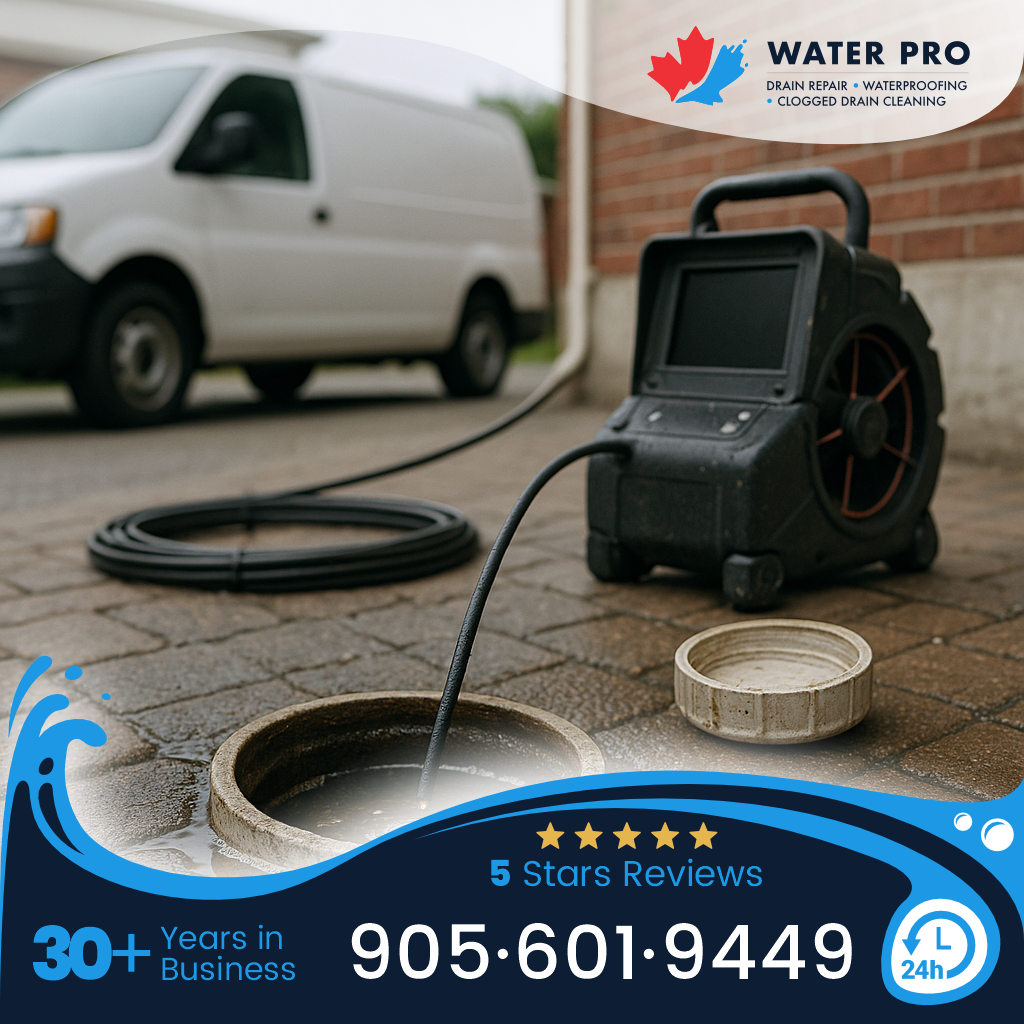
We use a CCTV camera to look inside the pipe and record findings for you. The camera run typically takes 30–120 minutes depending on pipe length and complexity, and it shows issues like tree roots, offsets, collapsed sections, grease, and poor joints.
- Camera footage gives a clear reason for the repair method chosen—snaking, jetting, relining, or targeted spot repair.
- Technicians provide a short report and clips so you can see the problem and the recommended next steps.
Access Points, Cleanouts, And Mainline Assessment
We check for accessible cleanouts and evaluate whether the blockage is local or in the mainline. A local obstruction is often resolved with motorized snaking in one visit.
- If the mainline shows widespread buildup, we typically recommend hydro-jetting to clear debris and restore flow.
- When damage is found on camera, options include targeted repair or pipe relining, and we explain estimated timelines and cost ranges before any work begins.
Common Repair Methods And When They’re Used
Before any repair, we review the camera report and discuss options so the plan fits your home and local code. Choices depend on what the camera shows, access points, and whether the problem is a single blockage or widespread buildup in the mainline.
- Motorized snaking: Often used for single obstructions such as hair, soap, or small debris. Typical visit time is 30–90 minutes and many residential calls fall in the $150–$500 range.
- High-pressure hydro-jetting: Used when grease, scale, or root intrusion affects long pipe runs. Jetting restores flow and reduces repeat clogs. Typical cost ranges from $300 to $1,500 depending on severity and access.
- Targeted spot repair or excavation: Required when the camera shows a collapsed section or offset joint. These projects vary widely in scope and are priced after an on-site estimate; timelines are commonly several days.
- Pipe relining: A no-dig option for many mid-length repairs. Relining usually takes 1–3 days and is chosen when the pipe structure can be rehabilitated without full replacement. We review warranty options and expected lifespan.
- Cleanout installation and access improvements: Adding or relocating cleanouts can make future maintenance faster and less disruptive.
When municipal overflow or heavy storm risk is a factor, we also discuss protective measures such as backwater valves and proper sump connections. For those options, we coordinate with inspections and local permit requirements and can advise on backwater valve & sump pumps.
Timelines, Typical Costs, And Regional Considerations
It’s helpful to know typical timeframes and local steps so you can plan. Camera inspections usually take 30–120 minutes and you can expect a report or quote within 24–48 hours. Simple snaking can be same-day work, while relining or excavation projects are scheduled over several days.
- Inspection: 30–120 minutes on site; reports provided same day or within 24–48 hours.
- Basic snaking: $150–$500 for a standard residential call (varies with access and severity).
- Hydro-jetting: $300–$1,500 depending on the length of pipe and degree of buildup.
- Pipe relining and larger repairs: $1,200–$5,000+ depending on pipe length, access, and condition.
For Toronto homeowners, some installations such as backwater valves require a building permit and city inspection. The City of Toronto also offers guidance and programs related to basement flood protection; check local program details before scheduling work. City of Toronto subsidy program
We respond to emergency calls 24/7 and provide licensed, insured crews. For planned repairs, we give a clear timeline and a written estimate before work begins.
Risks, Common Mistakes, And What To Avoid
Every property has nuances; we talk them through so you feel informed and comfortable. Leaving recurring blockages unaddressed can lead to backups, surface flooding, and mould growth. Presenting the full picture helps homeowners make the right call for their property.
- Avoid repeated use of chemical drain cleaners for mainline problems. These products can mask symptoms and may damage certain pipe materials.
- DIY excavation, sewer work, or electrical connections for sump/backwater devices is not advised—these items require licensed professionals and sometimes city permits.
- Delaying inspection can raise repair costs. A camera run clarifies whether a simple cleaning will do or whether relining or targeted repair is needed.
Mini example: a single mainline snaking visit may cost about $300 and clear a local blockage. If the issue stems from grease or roots, hydro-jetting at roughly $900 can prevent repeat clogs. If the camera shows a damaged pipe, relining at a couple thousand dollars often provides a longer-term solution than repeated cleanings.
Next Steps For Toronto Homeowners
A few considerations we review together: note which fixtures are slow, when issues started, and any prior plumbing work. Have your address and preferred access times ready when you call so we can schedule efficiently.
- Homeowner checklist: slow drains, multiple fixtures affected, foul odour, or recent heavy rains.
- Assessment and scheduling: on-site assessment typically lasts 30–90 minutes; written quote usually within 24–48 hours.
- Maintenance suggestion: consider a scheduled camera inspection and cleaning every 1–3 years for older systems or after repeat clogs.
For a free estimate and local advice, contact us or call (905) 601-9449. We’ll review grading, foundation details, and plumbing so the recommended plan fits your home and local code.
This article offers general information for homeowners and is not engineering, legal, or plumbing advice. Assessments and solutions are reviewed during an on-site visit by licensed professionals. If you’re considering waterproofing or drain work, feel free to contact us or call — we’ll discuss your goals and outline a plan that feels comfortable and right for your home.
🔗 Learn more: https://waterproofingdrain.com/
📞 Call us: 905 601-9449
✉️ Write us: info@waterproofingdrain.com
🕒 Open hours: Mon – Sat, 9:00am – 9:30pm