
Prevent Backups With Professional Sewer Line Repair is often the most practical step when homeowners notice slow drains, foul odours, or soggy patches in the yard. A brief, professional assessment can identify whether the issue is a simple blockage or a deeper problem with the sewer lateral that could lead to repeated backups or basement seepage.
Many homeowners first notice signs as a damp corner in the basement, a musty odour near floor drains, or unusually lush grass over the sewer line path. These symptoms feel disruptive and stressful, and they often come and go, which makes the problem seem intermittent even when the underlying pipe is damaged.
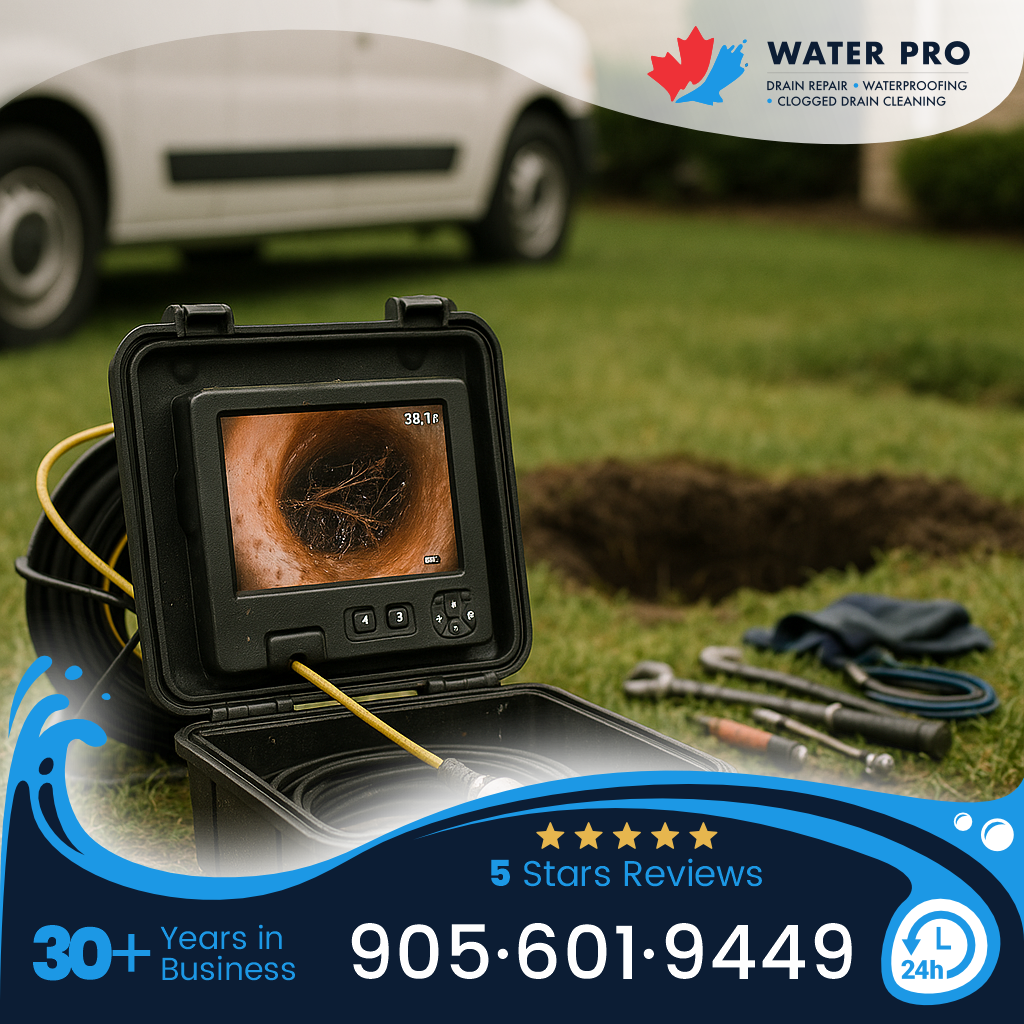
On-site assessments are straightforward and focused on clarity. Most sewer camera inspections take 30–90 minutes and give a clear record of roots, breaks, offsets, or blockages. After work, clients typically report relief and a short, written plan for maintenance and follow-up checks.
What Professional Sewer Line Repair Means For Your Home
Before listing options, a calm, practical overview explains what a professional repair includes and how it fits local needs in Toronto and the GTA.
Professional sewer line repair starts with an inspection and a discussion of your priorities—minimal disruption, longevity, or cost. We often use a sewer camera to diagnose the problem, then recommend solutions such as trenchless relining, targeted spot repairs, or a focused replacement when needed. Many homeowners appreciate a camera report they can review and keep for records.
We offer fast 24/7 assistance, free estimates, licensed and insured service, and warranty-backed work with careful, clean job execution. If you want an initial call or to book a camera inspection, contact us or call (905) 601-9449. For common repair scopes and scheduling, see our drain repair & services page for examples of typical work and timelines.
Common Signs And Who Is At Risk
This section briefly lists typical signs and the properties that most often need attention in the Golden Horseshoe area.
- Slow-moving or repeatedly clogged drains throughout the house.
- Foul, sewage-like odours in the basement or near yard drains.
- Wet or unusually green patches in the yard, especially near sewer run lines.
- Recurring backups into basement floor drains or toilets during heavy rain.
Older homes, properties with mature trees near the lateral, and houses with clay or cast-iron pipes are more likely to develop tree-root intrusion, corrosion, or joint offsets from ground movement. Before any work, we review grading, foundation details, and plumbing so the plan fits your home and local code. We do not advise DIY for sewer or structural work; every property has nuances, and we talk them through so you feel informed and comfortable.
How We Diagnose Sewer Problems
This section explains the assessment steps so you know what to expect when a technician visits your home in Toronto or the GTA.
Camera Inspection And What It Shows
Before recommending repairs, we run a sewer camera (CCTV) inspection to record the pipe interior and locate damage. A typical inspection takes 30–90 minutes and captures video of roots, fractures, offsets, sags, or blockages.
- Technicians share video and a short written report so you can see the issue and the recommended next steps.
- CCTV helps determine whether trenchless relining or a targeted replacement is possible without full excavation.
- Homeowners usually find the visual report useful for insurance, warranty, or municipal inquiries.
Interpreting CCTV Findings
After the inspection, we review the footage with you and discuss repair options based on pipe condition, depth, and access. Common outcomes are spot repairs, trenchless relining, or targeted replacement where a short excavation is required.
If relining is appropriate, technicians describe the expected life span and disruption. We can also outline restoration needs for landscaping or driveways when excavation is necessary. For trenchless options and examples, see our pipe & drain relining information.
Repair Options: Trenchless, Spot Repair, Or Targeted Replacement
This section covers the main repair methods and when each is typically used in the GTA.
Trenchless Methods (CIPP Relining, Pipe Bursting)
Trenchless methods restore or replace the pipe from the inside and usually reduce surface disruption. They are often chosen when the line is accessible and there are no major external obstructions.
- CIPP relining (cured-in-place pipe) installs a resin-lined tube inside the existing pipe. For many laterals, work can be completed in 1 day and requires only small access pits.
- Pipe bursting pulls a new pipe through the old one and is used for collapsed or heavily damaged pipes. It can replace the line without long trenching but may require two small pits.
- Trenchless options typically shorten construction time and reduce landscaping restoration compared with open excavation, though feasibility depends on CCTV findings and site access.
Open Cut And Targeted Replacement
Open cut work is used when the pipe is severely damaged, misaligned, or when trenchless methods are not suitable. This approach involves excavating a section, replacing plumbing, and restoring the surface.
Expect restoration work for driveways, sidewalks, or lawns after excavation; restoration time varies with the scope and materials. We discuss likely restoration steps and timelines during the estimate so you can plan for any disruption.
Toronto Requirements, Subsidies, Timelines, And Typical Costs
This section gives region-specific steps and budget ranges so homeowners in Toronto and the Golden Horseshoe know what to expect.
Permits, Subsidy Steps And Expected Timelines
City programs and permits can affect timing and cost. Toronto’s Basement Flooding Protection Subsidy Program offers financial support for measures like backwater valves and sump pumps; processing can take several weeks. For details, see the City of Toronto subsidy page.
Permit requirements apply to certain plumbing changes, including some backwater valve installations, and contractors typically handle permit applications. Processing times and subsidy decisions may take 8–10 weeks depending on municipal workloads and documentation.
Typical local cost guidance (indicative ranges): a CCTV inspection often falls in the $300–$500 range; trenchless relining projects commonly range from a few thousand to mid-five figures depending on length and access; open cut replacements can be higher because of excavation and restoration. Site conditions, pipe material, and required permits will affect final estimates.
Risks, Common Mistakes, And A Short Homeowner Checklist
This section calmly outlines routine risks and practical steps homeowners can take when they suspect sewer-line issues.
- Common mistakes: delaying inspection, hiring an unlicensed contractor, or accepting a verbal estimate without a CCTV report or written scope.
- Potential outcomes if left unassessed: repeat backups, increased repair cost later, or ongoing odours and wet spots that affect usable space in a basement.
Homeowner checklist:
- Record symptoms with dates and photos (slow drains, odours, yard wetness).
- Ask for a CCTV report, a written estimate, expected timelines, licence and insurance details, and warranty terms.
- Confirm permit handling—ask who applies and who will be on-site for inspections.
- Avoid DIY for sewer or structural repairs; call a licensed professional for diagnostics and a scoped plan.
A Quick Example And How To Take The Next Step
Here is a short numeric example to make timelines and outcomes concrete for a typical Toronto case.
Example: a 12 m sewer lateral with root intrusion. CCTV: 1 hour on-site. Recommended repair: CIPP relining. Work: 1 day to install the liner; 1–2 days for site preparation and brief restoration. Example cost range: mid-thousands depending on access and restoration needs. After the work, homeowners commonly report relief and a clear maintenance plan for periodic checks.
If you’d like to schedule a camera inspection or discuss options, contact us or call (905) 601-9449 to arrange a free estimate and walkthrough of your options. This article offers general information for homeowners and is not engineering, legal, or plumbing advice. Assessments and solutions are reviewed during an on-site visit by licensed professionals. If you’re considering waterproofing or drain work, feel free to contact us or call — we’ll discuss your goals and outline a plan that feels comfortable and right for your home.
🔗 Learn more: https://waterproofingdrain.com/
📞 Call us: 905 601-9449
✉️ Write us: info@waterproofingdrain.com
🕒 Open hours: Mon – Sat, 9:00am – 9:30pm