


Some homes in Toronto and the GTA see seepage during spring thaws or after heavy rain. Protect Your Home With Foundation Waterproofing is about identifying where water enters and choosing the right professional remedy for your property. It’s helpful to know what the issue typically feels like and what to expect from a licensed team.
Many homeowners first notice moisture at the floor–wall joint, damp corners, a musty odour, or slow staining along baseboards. Before any work, we review grading, foundation details, and plumbing so the plan fits your home and local code. If you’d like a free estimate or to discuss a concern, contact us or call (905) 601-9449 for 24/7 assistance.
UnderstandingFoundationLeaks
It’s helpful to know the difference between surface dampness and active leaks when planning work.
Foundation leaks are water that moves through or around the foundation and into the basement. Groundwater intrusion happens when a high water table or poor drainage forces water toward the foundation. Many homeowners first notice damp patches, peeling paint, or a persistent musty smell before visible pooling occurs.
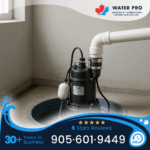
Professional waterproofing can include exterior membranes, interior drainage with a sump pump, crack repair, French drains, and grading adjustments. For homes that need a broad approach, our team discusses options such as exterior excavation or interior channel systems and ties recommendations to your budget and schedule. For examples of typical services, see our basement waterproofing page.
SignsAndInitialAssessment
A few considerations we review together during inspection help determine the right diagnostics and timeline.
- Damp corners or moisture at the floor–wall joint, salty white deposits (efflorescence), and warped flooring are common visible signs.
- We use a visual inspection, moisture meter readings, and, where relevant, a camera to check drains and weeping tiles. An initial onsite assessment typically takes 30–90 minutes.
- Homeowners can help by noting when moisture started, any previous repairs, and by providing access to the basement and exterior entry points.
- After the assessment we present a written estimate with recommended steps, expected timeline, and warranty terms so you can make an informed choice.
HowWaterEntersYourBasement
Before recommending a fix, we look at common water pathways and how they affect the scope of work.
Hydrostatic pressure from saturated soil can push water through joints and small cracks in foundations. Poor grading or downspouts that discharge near the foundation can direct surface water toward the wall. Blocked or disconnected exterior drains and damaged weeping tile systems can let groundwater reach the footing.
Sewer backflow is a separate issue that may require a backwater valve and coordinated plumbing work. Every property has nuances; we talk them through so you feel informed and comfortable about whether an exterior membrane, interior drainage with a sump pump, targeted crack repair, or a combined approach is most appropriate.
HowItWorksStepByStep
Before any work, we review grading, foundation details, and plumbing so the plan fits your home and local code.
ExteriorSolutions
Exterior fixes stop water before it reaches the foundation and are chosen when soil and access allow.
- Excavation and exterior membrane application. Active work is typically 3–10 days depending on access and landscaping.
- Exterior French drains and regrading. These redirect surface water away from the foundation and may take 1–5 days to install.
- Site protection and landscaping repairs are part of the scope so the property is left tidy; we coordinate restoration timelines with you.
- Permits or engineering may be required for deep excavation or underpinning. When that’s the case, we include timelines and permit steps in the written estimate.
InteriorSolutions
Interior systems manage water that reaches the foundation and are a common option where exterior work is impractical.
- Interior drainage channel and sump pump installation. Typical install time is 1–2 days for a single sump system, with options for battery or generator backup.
- Crack repair using epoxy or polyurethane injections for active seepage. Most localized repairs are completed in a day and allow normal use soon after.
- Backwater valves and coordinated plumbing work for sewer backflow issues. For these systems we work with licensed plumbers to meet local code and safety requirements and can arrange the service via our backwater valve & sump pumps team.
- We document the work, explain maintenance steps, and discuss expected inspection or testing after installation so you feel confident about operation and care.
CostsTimelinesAndLocalPrograms
A few realistic ranges and regional notes help set practical expectations for Toronto and the Golden Horseshoe.
Cost drivers include soil type, foundation depth, access, and whether an exterior excavation is needed. Typical ranges in the region are: small interior drain and sump systems from about $3,000–$8,000; targeted crack injections from $500–$2,000; full exterior excavation with membrane and drainage commonly from $8,000–$25,000 or more for complex sites.
Project timelines vary by scope. Small interior jobs often complete in 1–3 days. Full exterior systems usually require 5–15 days of onsite work plus drying and inspection time. Permit or engineering steps can add weeks to a schedule; some municipal subsidy or permit processes take 8–10 weeks to complete.
For homeowners in Toronto, the city offers a Basement Flooding Protection Subsidy Program that covers parts of backwater valve and sump pump work under certain conditions. For details and application steps see the City of Toronto program page.
ExampleMiniCase
A short numeric example to make ranges concrete.
- Example: a semi-detached home with minor seepage at the floor–wall joint. Scope = interior perimeter drain and a cast-iron replacement sump pump with backup. Typical onsite time = 1–2 days. Ballpark cost = $3,500–$6,500 depending on finish and backup options.
- Homeowner outcome: reduced basement dampness, a tested pump with alarm, and a written maintenance schedule. Follow-up typically includes an annual check and simple owner tasks such as clearing nearby downspouts.
MakingAPlanForYourBasement
A few practical next steps make on‑site assessments more useful and speed decision‑making.
- Homeowner checklist before the visit: take photos of damp areas, note dates and weather when problems occur, and clear access to the base of the foundation.
- Ask about licensing, insurance, warranty length, and a written maintenance plan so you know what support is included after work is finished.
- Expect the on‑site visit to take 30–90 minutes. We provide a written estimate with recommended options, timing, and warranty terms so you can compare choices calmly.
If you’d like to set up an assessment or get a free estimate, contact us or call (905) 601-9449. We offer 24/7 response, licensed and insured technicians, and warranty-backed work with clean, careful job execution.
This article offers general information for homeowners and is not engineering, legal, or plumbing advice. Assessments and solutions are reviewed during an on-site visit by licensed professionals. If you’re considering waterproofing or drain work, feel free to contact us or call — we’ll discuss your goals and outline a plan that feels comfortable and right for your home.
🔗 Learn more: https://waterproofingdrain.com/
📞 Call us: 905 601-9449
✉️ Write us: info@waterproofingdrain.com
🕒 Open hours: Mon – Sat, 9:00am – 9:30pm