


Underpinning & Basement Lowering For More Living Space describes structural work that gives low basements taller clear heights and makes the space habitable under Toronto rules. Many homeowners first notice tight headroom, damp corners, or a musty odour before they consider lowering a slab. This article explains what the work feels like, how professionals assess it, and what most owners can expect during the permitting and construction process.
It’s helpful to know that projects of this type usually combine engineered underpinning or benching with integrated waterproofing and drainage so the new space meets code and is comfortable long term. Before any work, we review grading, foundation details, and plumbing so the plan fits your home and local code. If you’d like to discuss options or arrange a free site assessment, contact us or call (905) 601-9449. We offer 24/7 assistance, free estimates, licensed and insured crews, and warranty-backed work with clean jobsite practices.
What Underpinning & Basement Lowering Means For Your Home
It’s helpful to know what the term means and why homeowners in Toronto pursue it.
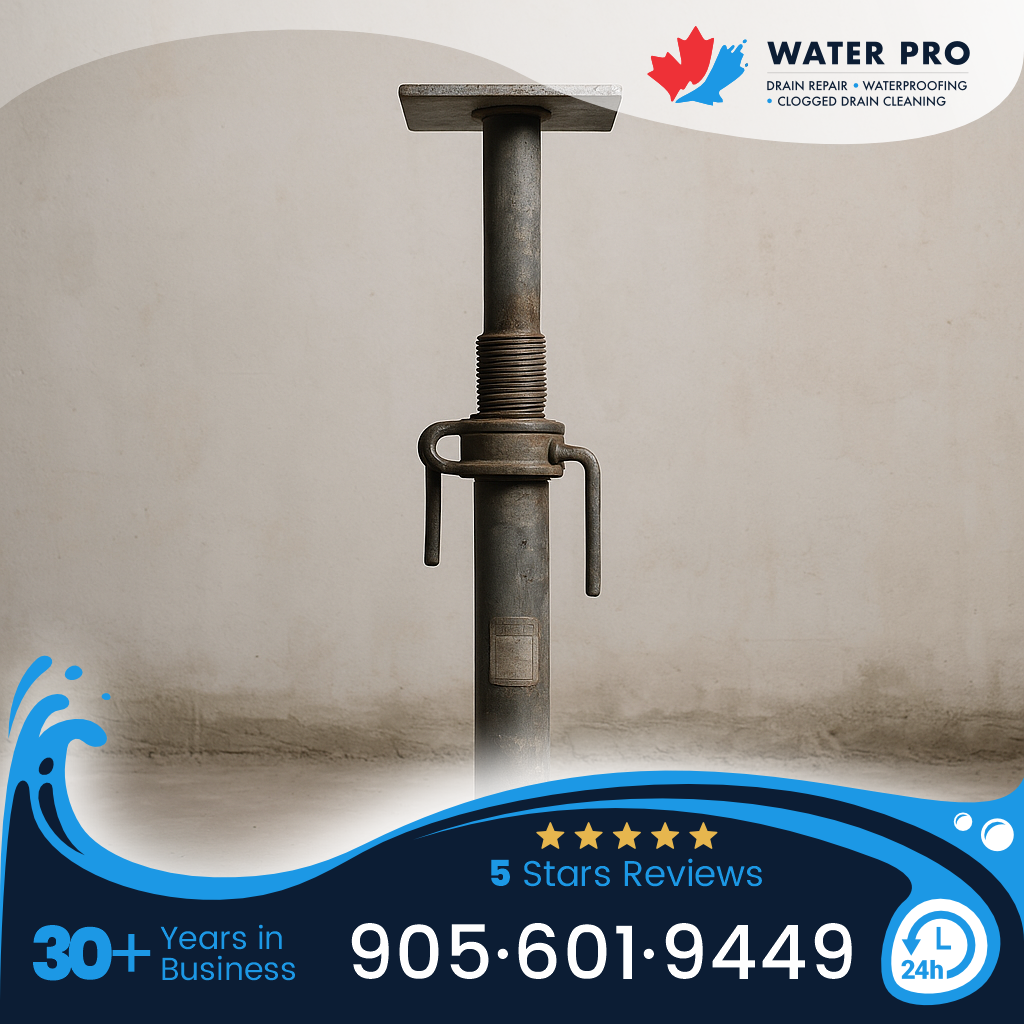
Underpinning is a structural method that extends or replaces footings so you can excavate and lower the floor beneath them. Benching is a related approach that lowers part of the slab and adds new perimeter footings. Many homeowners first notice moisture at the floor–wall joint, small seepage spots, or simply that rooms feel cramped because of low ceiling height.
When done with engineering, permits, and matched waterproofing, the work creates legal living areas that can raise resale or rental value. Typical inspections and coordinated trades will include waterproofing membranes, perimeter drains, sump and backwater devices, and interior plumbing adjustments. For waterproofing questions, see basement waterproofing.
How The Process Typically Works
A few considerations we review together during an assessment.
Typical On-Site Assessment
What inspectors and engineers look for on day one.
- Owner observations such as damp corners, floor‑wall seepage, low headroom, or past flooding.
- Measurements: ceiling height, slab thickness, footing depth, and utility locations are taken. Utility locates may be scheduled in 1–2 days.
- Timeframes: an on-site visit typically takes 1–2 hours. A preliminary scope and rough quote are often available in 3–7 days after the visit.
Underpinning Versus Benching
How the two approaches trade off cost, usable area, and construction time.
- Underpinning: involves staged excavation beneath existing footings and adds new structural support. It typically maximizes clear floor area and is commonly chosen when a full-height basement is needed. Site work and structural phases can span 4–10 weeks depending on size and access.
- Benching: lowers the slab in sections and creates new perimeter footings without fully undercutting the original footing. It usually costs less and works faster than full underpinning, but it can reduce continuous open floor area and affect interior layout.
- Both methods require coordinated waterproofing, internal plumbing adjustments, and municipal inspections. Every property has nuances; we talk them through so you feel informed and comfortable about sequencing, neighbour impacts, and expected disruption.
Permits, Engineering, and Toronto/GTA Requirements
Before we begin, we check permit needs and engineering so the plan fits your home and local code.
In Toronto and the Greater Toronto Area, underpinning or lowering a basement is typically classified as a structural alteration and requires a building permit and professional engineering drawings. A licensed professional engineer (P.Eng) usually prepares stamped structural drawings and a sequence of work that the city will review. Expect initial engineering and drawing preparation to take about 2–6 weeks, depending on complexity.
Permit review times vary by municipality; in the city of Toronto, review and scheduling for inspections commonly take 2–8 weeks after submission. Before work starts, contractors will coordinate required inspections and utility locates. Every property has nuances; we talk them through so you feel informed and comfortable. For municipal guidance, see a regional reference such as the City of Toronto residential underpinning guidance.
Timelines, Costs, And A Sample Numeric Case
It’s helpful to know typical cost ranges and how long each step may take.
Typical cost components include engineering and drawings, permit fees, structural excavation and underpinning or benching, waterproofing and drainage, sump/backwater devices, and finishing or legal suite upgrades. As a rough range: engineering $3,000–$8,000; permits $500–$3,000; structural work $50,000–$150,000; waterproofing and drainage $5,000–$25,000; finishing and conversion $30,000–$80,000. Contractors commonly recommend a contingency of 15–20% for unknowns discovered during excavation.
Example: 1,000 Sq Ft Basement Lowered By 2 Feet
A short numeric mini-case to make the math concrete.
- Engineering and permits: $6,000 (2–5 weeks for drawings; 2–8 weeks for permit review).
- Structural underpinning and excavation: $60,000 (work phase 6–10 weeks depending on access and weather).
- Waterproofing, perimeter drains, and sump/backwater work: $12,000. Consider adding a backwater valve and sump system for overland and sewer backup protection; see backwater valve & sump pumps.
- Finishing and legal suite upgrades: $45,000 (inspections and municipal sign-offs may add 2–4 weeks).
- Estimated total: about $123,000. Typical calendar from permit approval through final inspection: 8–14 weeks.
Costs vary with soil conditions, access (lane or driveway), tree roots, and existing utilities. Contractors will describe sequencing and temporary protections for landscaping and neighbouring properties during the on-site estimate.
Risks, Homeowner Checklist, And Next Steps
Every property has nuances; we talk them through so you feel informed and comfortable.
- Common risks presented calmly: unexpected soil conditions, hidden utilities, neighbour vibration or access needs, and water management oversights. Professional sequencing, P.Eng design, and planned waterproofing reduce these risks and connect the structural work to drainage and plumbing changes.
- Homeowner checklist for the site visit: recent survey or property sketch, photos of interior basement areas (corners, stairs, utilities), a list of existing basement uses, any prior permits or renovation records, and availability windows for on-site access.
- Practical next steps: schedule a licensed on-site assessment, request a written scope with P.Eng involvement, and plan for permit timelines and a 15–20% contingency in the budget. Expect trade coordination for waterproofing, sump/backwater systems, and any plumbing moves during the build.
If you’d like to discuss your basement and get a free, no-obligation estimate, contact us or call (905) 601-9449. Our team provides 24/7 support, licensed and insured crews, and warranty-backed work with tidy jobsite practices.
This article offers general information for homeowners and is not engineering, legal, or plumbing advice. Assessments and solutions are reviewed during an on-site visit by licensed professionals. If you’re considering waterproofing or drain work, feel free to contact us or call — we’ll discuss your goals and outline a plan that feels comfortable and right for your home.
🔗 Learn more: https://waterproofingdrain.com/
📞 Call us: 905 601-9449
✉️ Write us: info@waterproofingdrain.com
🕒 Open hours: Mon – Sat, 9:00am – 9:30pm