
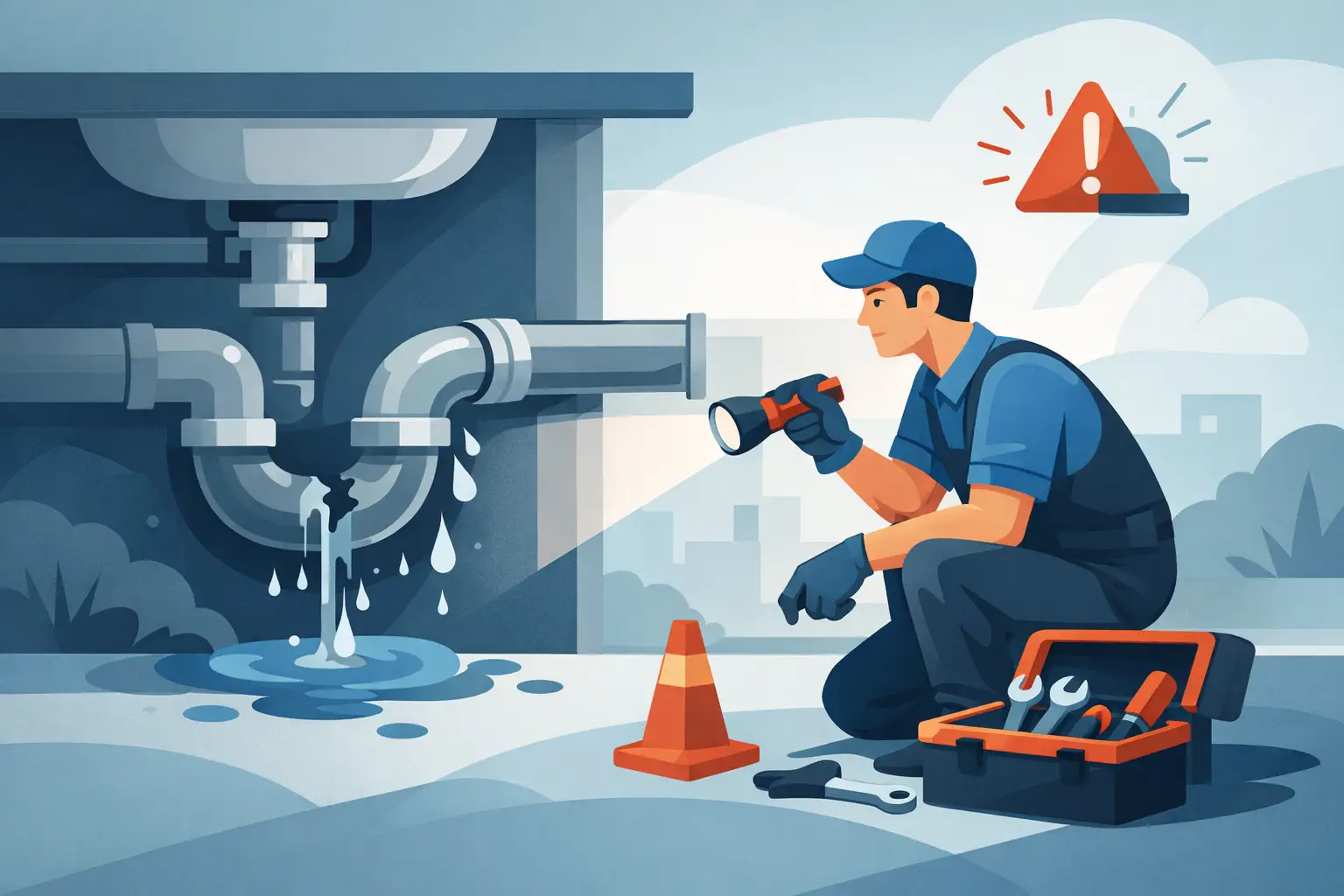

A basement floor drain that starts bubbling, a toilet that will not flush, or sewage rising through a shower is not a problem to watch overnight. Emergency drain repair is about stopping water and sewage damage quickly, identifying what is happening inside the line, and fixing the cause instead of just pushing the problem farther down the pipe.
For homeowners across Toronto, Mississauga, and the GTA, a drain emergency can move from inconvenient to expensive in a matter of hours. Dirty water can damage finished basements, flooring, drywall, stored belongings, and electrical systems. Fast, informed action protects your property and gives the repair team a clearer path to a lasting solution.
When a Drain Problem Is an Emergency
A single slow bathroom sink is usually not an emergency. It may be caused by hair, soap buildup, or debris close to the drain opening. But several fixtures draining slowly at once often point to a blockage deeper in the main sewer line. That is when waiting can lead to a backup.
Treat the situation as urgent if wastewater is coming up through a floor drain, toilet, tub, or shower. The same applies when flushing one toilet causes water to rise in another fixture, when you hear repeated gurgling in drains, or when a strong sewer odor appears indoors. If a basement is taking on water during heavy rain, the issue may involve the sanitary sewer, stormwater drainage, a failed sump pump, or water entering through the foundation.
A sewage backup requires immediate attention because it can contain harmful bacteria. Keep children and pets away from the affected area, avoid contact with standing water, and do not try to clean contaminated water without proper protection and guidance.
What to Do Before Emergency Drain Repair Arrives
The goal is simple: prevent more water from entering a blocked system. Stop using sinks, toilets, showers, dishwashers, and washing machines if you suspect a main drain blockage. Even a small amount of additional water can force sewage out through the lowest drain in the home, which is often the basement floor drain.
If you can safely identify a local shutoff for a leaking fixture, turn it off. Do not shut off your main water supply just because of a sewer backup unless there is also a clean-water leak. Turning off the main water will not clear a blocked drain, but it can be necessary if a broken water line is adding to the flooding.
Move furniture, boxes, rugs, and valuables away from affected areas if it is safe to do so. Take a few photos or videos before cleanup begins. This can help document the damage for insurance purposes and show the repair team where the backup started.
Avoid chemical drain cleaners. In a serious blockage, they rarely solve the issue and can leave corrosive chemicals sitting in the pipe. That creates a safety risk for anyone working on the drain and may damage older plumbing. Also avoid repeatedly plunging or flushing a toilet that is already backing up. The pressure can make the overflow worse.
How Professionals Find the Real Cause
The right emergency drain repair starts with diagnosis, not guesswork. A licensed drain technician will assess which fixtures are affected, where the backup is appearing, and whether the problem is likely inside the building drain or farther out in the sewer lateral connecting the property to the municipal line.
Drain snaking can remove many common obstructions, including wipes, grease buildup, paper, and small root intrusions. It is often the right first response when a line is blocked and water needs to move again quickly. But clearing a path through a blockage is not always the same as correcting the reason it formed.
A camera inspection shows what is inside the pipe after the immediate blockage is cleared. It can reveal tree roots, cracked clay pipe, shifted joints, corrosion, a collapsed section, bellies where the pipe has sagged, or heavy scale buildup. This matters especially in older GTA homes, where aging drain lines can create repeat backups that seem to disappear after snaking, then return during the next heavy use or rainfall.
Hydro jetting may be recommended when grease, sludge, mineral scale, or root debris coats the inside of a drain line. High-pressure water cleans the pipe wall more thoroughly than a basic cable machine in many situations. However, it is not appropriate for every damaged or fragile pipe. A camera inspection helps determine whether the pipe can safely handle jetting pressure.
Emergency Drain Repair Options That Last
The best repair depends on the pipe material, the location and extent of damage, access around the property, and whether the problem is isolated or recurring. A straightforward blockage may only need professional cleaning. A broken sewer line may need a more permanent repair.
For localized cracks, separated joints, or root-damaged sections, trenchless pipe relining can create a new pipe within the existing line. This no-dig option can reduce disruption to landscaping, driveways, and finished areas. Pipe bursting may be a better fit when the existing line is too damaged to reline and needs full replacement without extensive open excavation.
Traditional excavation still has a place when a sewer line has collapsed, the grade needs correction, or access is required for related work. Honest diagnosis matters here. No-dig methods can be excellent, but they are not automatically the answer for every property. A clear estimate should explain the condition of the line, the recommended option, what is included, and why that method makes sense.
When the emergency involves repeated sewer backup during storms, a backwater valve may help protect the home from sewage flowing back from the municipal system. If groundwater is entering the basement, the solution may involve sump pump repair or installation, interior or exterior waterproofing, weeping tile work, or foundation crack repair. A drain emergency sometimes exposes a larger water-management issue that needs attention beyond the sewer pipe itself.
Why Backups Often Happen at the Worst Time
Drain failures have a way of showing up on weekends, late at night, or during heavy rain because those are the times systems are under the most pressure. A partially blocked line may appear to work normally until a laundry load drains, guests use several bathrooms, or rainwater overwhelms aging infrastructure.
Tree roots are another common cause. Roots naturally seek moisture and can enter tiny openings in older pipe joints. Once inside, they trap paper and debris until the line narrows or blocks completely. Snaking can restore flow, but recurring root growth may call for hydro jetting, root treatment, relining, or replacement depending on the pipe condition.
Improperly disposed items also create preventable backups. “Flushable” wipes, paper towels, feminine hygiene products, grease, and cat litter do not belong in the drain. Grease may look harmless when warm, but it cools and collects inside pipes, catching other debris over time. Prevention will not fix a damaged sewer line, but it can reduce the risk of an avoidable emergency.
Choosing an Emergency Drain Repair Team
In a stressful moment, it is tempting to choose the first available option and hope the problem disappears. Availability matters, but so does the quality of the inspection and the clarity of the recommendation. Look for a team that can respond 24/7, use camera diagnostics, explain the issue in plain language, and provide transparent pricing before major repair work begins.
Ask whether the technician is licensed and whether the company can handle both the immediate cleanup of the drain issue and the permanent repair if the camera finds structural damage. A provider that understands plumbing, trenchless sewer repair, waterproofing, and basement drainage can see the full picture instead of treating every backup as a simple clog.
Water Pro Master Corp approaches emergency calls with the same priority: get control of the water, find the cause, protect the property, and leave the work area clean. There should be no vague answers, no unnecessary digging, and no surprises about the next step.
A Fast Response Can Save More Than a Basement
The first sign of a backup is the right time to act, not after sewage reaches the carpet or water spreads behind finished walls. Stop using the affected drains, keep the area safe, and call for professional help when multiple fixtures are involved or wastewater is coming back into the home.
A fast emergency drain repair can restore flow today. A proper diagnosis can help make sure you are not facing the same emergency again after the next storm, laundry day, or family gathering.