
A slow drain is frustrating. A sewage backup in a finished basement is a different kind of problem entirely. A drain camera inspection takes the guesswork out of both by showing what is happening inside the pipe before a small blockage becomes water damage, a collapsed sewer line, or an emergency call in the middle of the night.
For homeowners across Toronto, Mississauga, and the GTA, underground drains are easy to ignore until they stop doing their job. Older clay pipes, shifting soil, tree roots, grease buildup, construction debris, and aging connections can all create trouble out of sight. A camera gives you a clear answer and a repair plan based on facts, not assumptions.
What a Drain Camera Inspection Can Reveal
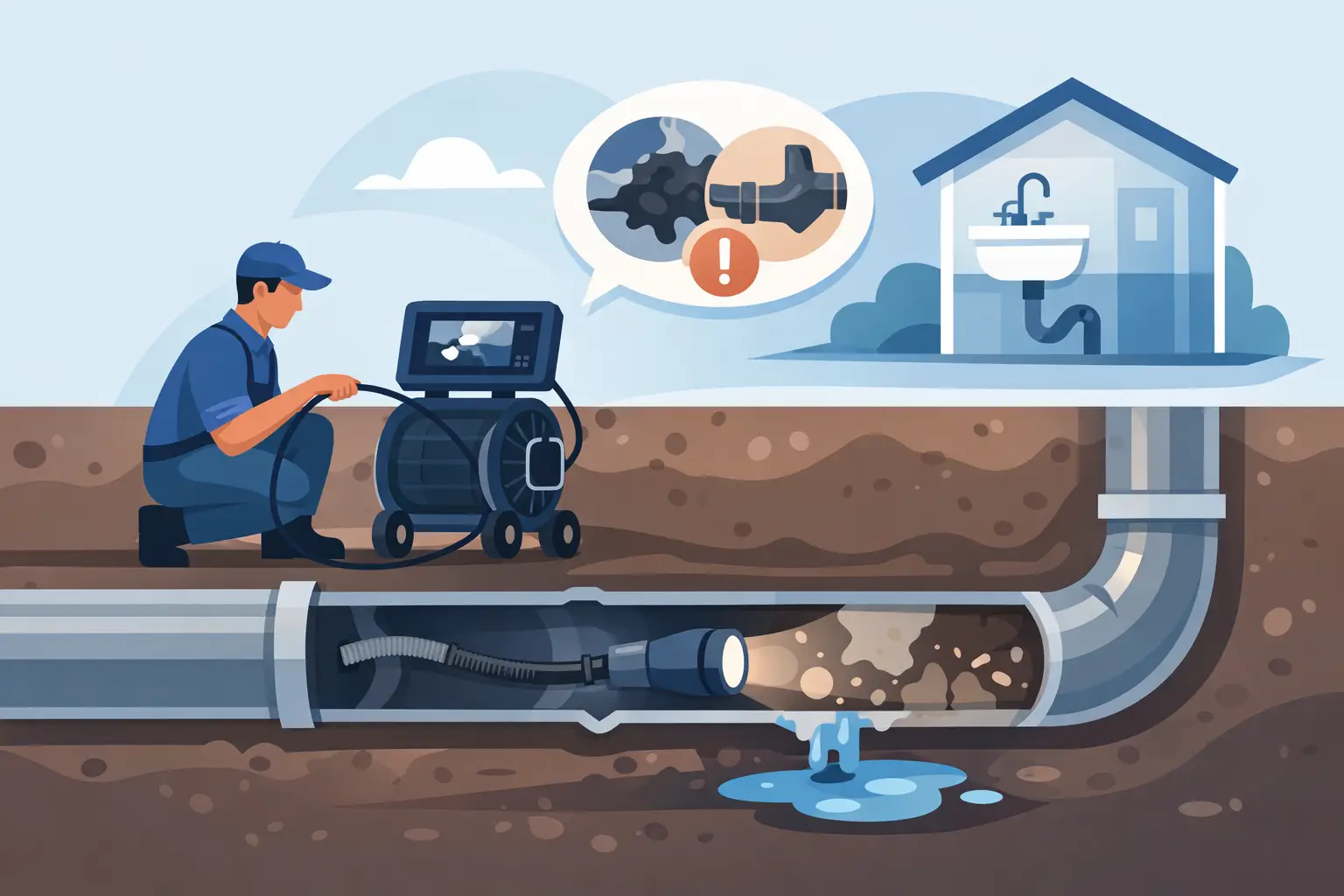
A licensed drain technician feeds a flexible, waterproof camera through a cleanout or accessible drain opening. The camera has a bright light and sends live video from inside the line to a monitor above ground. This allows the technician to inspect the condition of the pipe, identify the location of a problem, and determine the best next step.
The inspection can reveal a simple clog caused by paper products, grease, soap residue, or foreign objects. It can also expose more serious concerns, such as invasive roots, cracked pipe sections, offset joints, bellies where water collects, corrosion, or a line that has partially collapsed.
That distinction matters. Snaking may clear a localized blockage, but it will not repair a cracked sewer pipe or remove a structural issue that keeps catching debris. Hydro jetting can thoroughly clean buildup and roots from a suitable pipe, while trenchless pipe relining or pipe bursting may be the better long-term solution for a damaged line. The camera footage helps match the work to the actual problem.
When You Should Schedule a Drain Camera Inspection
You do not have to wait for a full backup to inspect your drains. In fact, preventive inspection is often the least stressful and least expensive time to find a problem.
Consider scheduling an inspection when a drain repeatedly clogs, multiple fixtures drain slowly, toilets gurgle, or a bad sewer odor comes and goes. Water appearing around a basement floor drain, laundry sink, or cleanout is also a warning sign that should not be ignored. If sewage has backed up once, the line needs to be checked before the next heavy rain or busy household weekend puts it under pressure again.
A drain camera inspection is especially useful before buying an older home, renovating a basement, adding a bathroom, or taking responsibility for a rental property. Many GTA homes have aging underground drainage systems that may look fine from inside the house while the buried pipe is deteriorating outside.
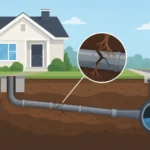
Tree-lined properties deserve extra attention. Roots naturally seek moisture, and even a small gap at a pipe joint can attract them. Once inside, roots catch toilet paper and waste, gradually narrowing the line until wastewater has nowhere to go but back toward the home.
After a Sewer Backup or Flooded Basement
Emergency cleanup addresses the immediate mess, but it does not always answer why the backup happened. A camera inspection after the area is safe and accessible can show whether the cause was a drain blockage, roots, a broken pipe, or a connection issue farther down the line.
It can also help determine whether additional protection is needed. Depending on the property and the source of the water, that could include drain repair, hydro jetting, a backwater valve, sump pump improvements, interior waterproofing, or exterior drainage work. No two wet basements have exactly the same cause, so the right fix starts with a proper diagnosis.
How the Inspection Process Works
A professional inspection is typically straightforward and clean. The technician first asks about the symptoms: which drains are affected, when the issue occurs, whether it worsens during rain, and whether there has been a previous backup. Those details help focus the inspection on the right line.
Next, the camera is inserted through an appropriate access point. As it moves through the pipe, the technician watches for obstructions, damage, standing water, root intrusion, and connection problems. Many camera systems include a locator that can identify the problem’s position from above ground. That means repairs can be targeted instead of digging up a driveway, lawn, or basement floor based on a guess.
You should be able to see the findings and receive a plain-language explanation of what the footage means. A trustworthy contractor will tell you when the line only needs cleaning, when monitoring makes sense, and when a repair should be handled promptly. No surprises, just clear options.
Camera access is not always possible through every fixture or every severely blocked line. In some cases, the drain must first be opened or cleaned with a snake or hydro jetting equipment before the camera can pass through. That is not a failure of the inspection. It is part of working safely and getting an accurate view of the pipe.
What Happens After the Camera Finds a Problem?
The next step depends on the pipe condition, not a one-size-fits-all sales pitch. If the camera shows grease, scale, or loose debris in an otherwise sound line, professional drain cleaning or hydro jetting may restore proper flow. If roots are present but the pipe remains structurally solid, root cutting and cleaning can provide relief, though ongoing maintenance may be needed.
Cracks, separated joints, recurring root entry, and pipe deterioration often call for a more durable repair. Trenchless methods can be a strong option when conditions are right. Pipe relining creates a new pipe within the existing line, while pipe bursting replaces a damaged pipe by pulling a new one through the old path. These methods can reduce excavation, protect landscaping, and shorten disruption compared with traditional digging.
Still, trenchless repair is not automatically the answer for every property. A fully collapsed line, poor access, major grade problems, or certain pipe layouts may require excavation or a combination of repair methods. The benefit of camera diagnostics is that you can make that decision with evidence in hand.
Why Video Evidence Protects Your Property
Drain problems often lead homeowners to spend money twice: once on an emergency clearing and again when the same issue returns. Video inspection helps prevent that cycle by separating a temporary blockage from a recurring structural defect.
It also provides a useful record for property planning. If you are preparing for a basement renovation, documenting the condition of the sewer line before work begins can help avoid costly surprises later. For landlords, an inspection can clarify whether an issue is related to tenant use, an aging building drain, or a larger sewer problem that needs repair.
Most importantly, early diagnosis protects the areas that cost the most to restore. Sewage and groundwater can damage flooring, drywall, furniture, electrical systems, and stored belongings within hours. They can also create unhealthy conditions in a home. Water damage does not wait, and neither should a recurring drain problem.
Choose a Contractor Who Explains the Footage
The camera itself is only part of the service. Accurate interpretation and skilled repair work matter just as much. Look for a licensed plumbing and drainage team that can explain what you are seeing, locate the issue precisely, and offer repair options without pressure.
At Water Pro Master Corp, we use advanced diagnostic equipment to help GTA property owners move from uncertainty to a clear plan. Whether the answer is cleaning, no-dig repair, waterproofing, or a larger drainage solution, the goal is fast, clean work and a fix built to last.
If your drains are slowing down, making noise, smelling unpleasant, or backing up after rain, do not wait for the pipe to fail at the worst possible time. A clear look inside the line today can save your basement, your schedule, and a much larger repair tomorrow.