A sewer problem often starts quietly: a toilet that gurgles after the washer drains, a tub that empties slowly, or a sewer smell near the basement floor drain. This homeowner guide sewer lateral explains what those early warnings can mean, where your responsibility usually begins, and how to act before wastewater reaches your basement.
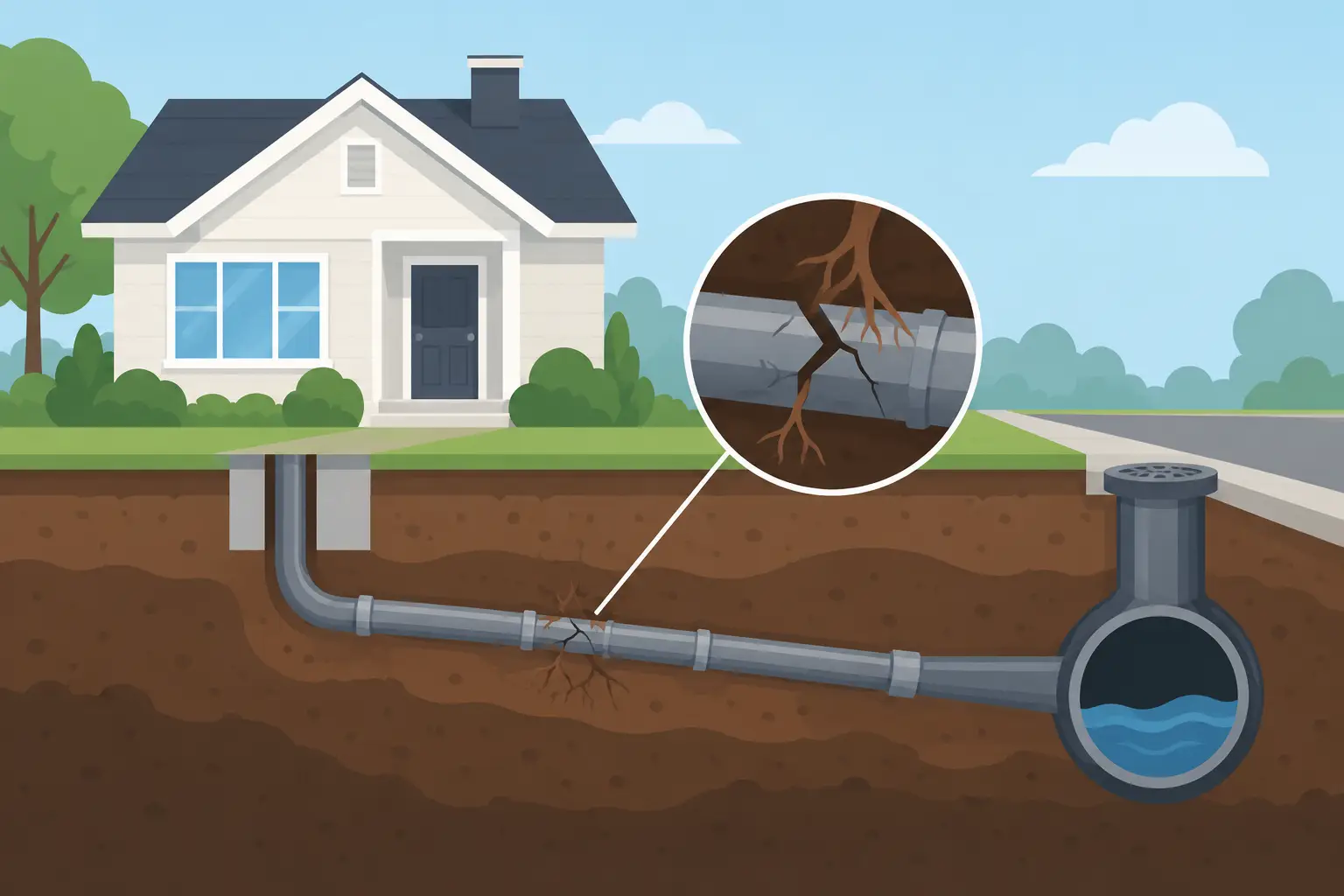
Your sewer lateral is the private pipe that carries wastewater from your home to the public sewer connection. It is out of sight, usually underground, and easy to forget until it blocks, cracks, or backs up. For homeowners across Toronto, Mississauga, and the GTA, a damaged lateral can quickly become more than a plumbing inconvenience. It can damage flooring, drywall, belongings, and finished basement spaces.
What a Sewer Lateral Does and Why It Fails
Every sink, shower, toilet, dishwasher, and washing machine drains into your home’s plumbing system. The sewer lateral is the final private route that moves that wastewater toward the municipal sewer. In many properties, the homeowner is responsible for the section from the house to the property line, and sometimes beyond it. Responsibility can vary by municipality, so confirm the local rules before assuming a repair is covered by the city.
Older homes are especially vulnerable. Clay tile, cast iron, and aging concrete pipes can crack, separate at joints, sag, or deteriorate over time. Tree roots naturally follow moisture and can work into tiny openings, eventually creating a dense blockage inside the line. Ground movement, poor past repairs, grease buildup, and flushed wipes can create similar trouble in newer homes.
A sewer lateral does not always fail all at once. A small root intrusion may cause an occasional slow drain for months. A partial collapse can allow water through until a heavy rain or a high-volume laundry load exposes the restriction. That is why repeated symptoms deserve a real diagnosis, not another bottle of drain cleaner.
Sewer Lateral Warning Signs Homeowners Should Not Ignore
One slow sink may be a local clog. When several fixtures act up at the same time, the problem is more likely in the main drain or sewer lateral. Pay attention if toilets bubble, lower-level drains back up when water is used upstairs, or wastewater appears at a basement floor drain.
Bad odors around drains, damp or unusually green patches in the yard, and a persistent sewer smell outdoors can also point to a damaged underground line. If you hear gurgling after flushing or notice that the lowest fixtures fail first, stop using large amounts of water until the line is inspected. Running the dishwasher, taking showers, or doing laundry can force more wastewater into an already blocked system.
Call for urgent help if sewage is entering the home. Keep people and pets away from contaminated water, avoid touching electrical equipment near the affected area, and do not attempt to clear a suspected main-line blockage with chemicals. Chemical drain products can damage certain pipes, create hazards for technicians, and rarely solve roots, breaks, or collapsed sections.
The Right First Step: Camera Inspection
Guesswork is expensive underground. A professional sewer camera inspection sends a specialized camera through the line to show what is actually happening inside the pipe. It can identify root growth, grease accumulation, broken joints, offset pipe sections, standing water caused by a sag, or a pipe collapse.
The camera also helps establish the location and extent of the problem. That distinction matters. A line packed with roots may respond well to professional cleaning, while a cracked or collapsed section needs repair. Without a clear view, a homeowner may pay repeatedly to clear a drain that is structurally failing.
Ask for a plain explanation of the findings and the recommended repair scope. A reliable contractor should explain whether the concern is a one-time blockage, a recurring maintenance issue, or a damaged pipe that will continue to worsen. You should also receive clear pricing before work begins. No surprises, just the right repair for the condition of the line.
Cleaning, Repairing, or Replacing the Lateral
The best solution depends on the pipe material, damage, access, and long-term plans for the property. There is no single repair that fits every home.
When Drain Cleaning Is Enough
For grease, scale, and limited root intrusion, professional drain snaking or hydro jetting may restore flow. Hydro jetting uses controlled high-pressure water to remove buildup from the pipe walls. It can be highly effective, but it should be performed after evaluating the pipe condition. An already fragile or broken pipe may not be a good candidate for aggressive cleaning.
Cleaning is often the practical first response when the pipe is structurally sound. Still, if roots return quickly or camera footage shows open joints, cleaning alone is maintenance, not a permanent fix.
When Trenchless Repair Makes Sense
Trenchless methods can repair certain damaged sewer laterals without excavating the full length of the yard, driveway, or basement floor. Pipe relining creates a new pipe within the existing one, while pipe bursting replaces a failed pipe by pulling a new line through the route.
These methods can reduce disruption and restoration costs, particularly where landscaping, concrete, or finished areas sit above the sewer route. They are not always possible. Severe pipe collapse, unsuitable pipe layout, or limited access can require conventional excavation. A good recommendation weighs the condition of the line against the total cost of getting the property back to normal, not just the initial repair price.
When Excavation Is the Better Repair
Excavation may be necessary when a section has collapsed, the grade needs correction, or a connection must be rebuilt. It is more invasive, but it gives direct access to replace the failed pipe and address surrounding conditions. The key is a clean, organized job site, proper restoration planning, and a clear explanation of what will be opened and repaired.
Preventing the Next Sewer Backup
You cannot prevent every sewer problem, especially when a municipal sewer surcharge occurs during intense rain. You can reduce your risk by protecting the line and giving water a controlled path away from your home.
Keep grease, coffee grounds, wipes, paper towels, and hygiene products out of drains and toilets. “Flushable” wipes commonly cause clogs because they do not break down like toilet paper. If your home has mature trees near the sewer route or an older lateral, schedule periodic camera inspections instead of waiting for a backup.
For homes exposed to heavy rain or municipal sewer backflow, a properly installed backwater valve can help prevent sewage from reversing into the basement. A sump pump, weeping tile improvements, and basement waterproofing address a different but related risk: groundwater around the foundation. These systems work together to protect below-grade spaces, but each needs the right diagnosis and installation.
What to Ask Before Approving Sewer Work
Before authorizing a major lateral repair, ask whether the pipe was camera-inspected, what material is currently in the ground, and whether the issue is localized or affects the full line. Confirm whether permits, municipal requirements, and restoration are included in the estimate. If trenchless work is recommended, ask why it is suitable for your specific pipe condition.
Also ask about warranty coverage, cleanup, and what happens if the camera reveals additional damage once work starts. Clear answers protect you from vague scopes and unexpected costs. The cheapest estimate is not always the lowest-cost solution if it only clears a recurring blockage while leaving a broken pipe behind.
Water Pro Master Corp approaches sewer lateral problems with camera-based diagnostics, licensed plumbing expertise, and repair options that fit the property rather than a one-size-fits-all sales pitch. Whether the answer is cleaning, a no-dig repair, or a targeted replacement, fast action can limit damage and keep a small warning sign from becoming a basement emergency.
If your drains are slowing down, gurgling, or backing up, treat it as a message from a system that needs attention. A prompt inspection today can protect the home you have worked hard to maintain tomorrow.