A mature maple can add real value to a property, but its roots may be working toward your sewer line below ground. Can tree roots block sewers? Yes. Once roots find a tiny opening in an aging pipe, they can grow inside, catch paper and debris, and eventually create a blockage serious enough to cause a sewer backup in the basement.
For homeowners across Toronto and the GTA, this is especially common around older homes with clay, concrete, or deteriorating cast-iron drain lines. The good news is that a root problem can usually be identified before it becomes a full sewage emergency. Fast diagnosis matters because clearing the blockage is only part of the job. The pipe itself needs to be assessed so the problem does not return after the next heavy rainfall or busy weekend at home.
How Tree Roots Block Sewers
Tree roots do not normally crush a sound sewer pipe just by growing near it. They are attracted to moisture, oxygen, and nutrients escaping through weak points. A small crack, loose pipe joint, failed seal, or corroded section of pipe can release enough moisture to draw roots in.
Once a fine root enters the line, it can expand into a dense mass. That mass slows the flow of wastewater and gives toilet paper, grease, wipes, and other debris something to collect on. What starts as a partial restriction can become a complete blockage.
Older sewer systems are particularly vulnerable. Clay tile pipes often have joints that separate over time. Cast-iron pipes can corrode from the inside, while shifting soil and freeze-thaw cycles can create cracks in several pipe materials. Even newer pipes can develop trouble if a connection was damaged, poorly installed, or disturbed by construction.
Signs Tree Roots May Be in Your Sewer Line
A single slow sink does not automatically mean roots. The issue could be localized to that fixture. Root intrusion becomes more likely when several drains are affected at once, especially fixtures on the lowest level of the home.
Watch for toilets that gurgle when the washing machine drains, water backing up in a basement shower or floor drain, recurring clogs that return after snaking, or sewage odors around drains or outdoors. You may also notice that drains run slowly for weeks and then suddenly stop working after a large load of laundry or a heavy rain.
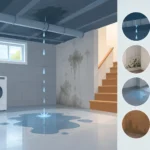
A backup from a main sewer blockage often shows itself at the lowest opening first. In many homes, that means the basement floor drain, shower, toilet, or laundry area. If wastewater is coming up through a drain, stop using water immediately. Do not run the dishwasher, flush toilets, or start another laundry cycle. Every gallon sent into the drain system can make the backup worse.
Can Tree Roots Block Sewers Even Without a Large Tree?
They can. Large, old trees are a common source of root intrusion, but size alone does not tell the whole story. Some smaller trees and shrubs have aggressive root systems, and roots can travel much farther than homeowners expect when they find a reliable water source.
The pipe condition matters more than the distance to the tree. A compromised sewer line can attract roots from vegetation that does not appear especially close to the house. Conversely, a healthy, properly sealed pipe may sit near mature trees for years without a root problem.
This is why removing a tree is not always the right repair. Cutting down a healthy tree can be expensive, and the roots left in the ground may still create trouble for some time. More importantly, removing the tree does not fix cracked joints, offset pipe sections, or corrosion already present in the sewer line.
The Right Way to Diagnose a Root Blockage
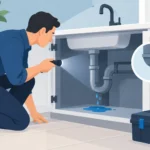
The most reliable answer comes from a sewer camera inspection. A licensed drain professional inserts a specialized camera into the sewer line to see where the roots are, how severe the intrusion is, and whether the pipe is cracked, collapsed, shifted, or simply obstructed.
Camera footage separates a basic blockage from a pipe-repair problem. That distinction protects homeowners from paying for the wrong solution. If roots have entered through a single compromised joint but the line is otherwise in good shape, cleaning and a targeted repair may be enough. If the pipe has multiple damaged sections, repeated cleaning may only provide short-term relief.
A proper inspection can also help locate the damaged area and determine whether a no-dig repair is possible. For homes with finished basements, landscaping, driveways, or patios above the line, avoiding unnecessary excavation can make a major difference in cost and disruption.
Clearing Roots Is Not Always a Permanent Fix
Professional drain snaking can cut through a root mass and restore flow quickly. It is often the right first response when sewage is backing up or the main line is fully blocked. Hydro jetting may also be used in suitable pipes to flush away loosened roots, scale, grease, and debris with high-pressure water.
But cleaning does not seal the opening roots used to enter. If the pipe has a crack or separated joint, roots can grow back. How quickly that happens depends on the tree species, soil conditions, pipe material, and the extent of damage. In some cases, the issue returns within months. In others, a cleaned line may run well for a year or more.
Chemical root treatments are sometimes presented as an easy fix, but they should not be treated as a substitute for diagnosis and repair. Products may reduce fine root growth temporarily, yet they cannot correct broken pipe sections. Improper use can also create safety concerns or damage surrounding vegetation. A camera inspection should guide the decision instead of guesswork.
Repair Options for Root-Damaged Sewer Pipes
The best repair depends on what the camera shows. A localized defect may be repaired directly, while a pipe with widespread cracks, severe corrosion, or poor slope may need a more comprehensive solution.
Trenchless pipe relining can be a strong option when the existing pipe has enough structural integrity to support a liner. A new, jointless pipe is formed inside the old one, sealing many cracks and joints that allow roots to enter. This approach can often avoid tearing up a yard, driveway, or basement floor.
Pipe bursting may be recommended when the old pipe is too damaged for relining. This method replaces the failing line by pulling a new pipe through the path of the old one, breaking apart the damaged pipe as the replacement is installed. Traditional excavation is still necessary in some situations, particularly when there is a collapse, poor access, or a major change needed to the pipe route.
No two sewer lines fail in exactly the same way. A clear estimate should explain the condition of the line, the recommended method, what work is included, and whether there are options at different price points. No surprises – just a repair plan that addresses the cause, not only the symptoms.
Preventing Repeat Sewer Root Problems
You cannot control every root on your property, but you can reduce the chance of another backup. Start with a camera inspection after a serious blockage or if your home has an older sewer line. Knowing the pipe material and condition helps you plan before an emergency forces a rushed decision.
Avoid flushing wipes, paper towels, grease, or hygiene products. Roots may start the obstruction, but household debris often turns a partial restriction into a complete backup. If a camera inspection shows minor recurring root intrusion in an otherwise stable pipe, scheduled maintenance may help keep flow moving while you plan a long-term repair.
Homeowners with finished basements should also consider protection against municipal sewer backflow. A properly installed backwater valve can help prevent sewage from flowing backward into the home during overloaded sewer conditions. It will not repair root intrusion, but it can be an important layer of protection during severe rain events.
When to Call for Sewer Help
Call for professional help right away if sewage is visible in the basement, multiple drains are backing up, or you have a recurring main drain clog. These are not problems to wait out. Sewage can damage flooring, walls, stored belongings, and indoor air quality, and the longer water sits, the harder cleanup becomes.
Water Pro Master Corp helps GTA property owners identify root-related sewer problems with camera inspections, drain cleaning, hydro jetting, and repair options that fit the condition of the line. Whether the right answer is emergency clearing, trenchless repair, or a planned replacement, the goal is fast, clean work and a solution built to last.
A tree should not force you to choose between your yard and a reliable sewer line. If drains are slowing down or a basement fixture is backing up, get the pipe inspected while there is still time to solve the problem on your terms.