

A damp basement is rarely just a basement problem. Water can move behind finished walls, weaken framing, damage stored belongings, feed mold growth, and put pressure on a foundation long before a visible puddle appears. Effective basement waterproofing stops that cycle by finding where the water is coming from and directing it safely away from your home.
For homeowners across Toronto, Mississauga, and the GTA, the right repair depends on the source. Heavy rain, rising groundwater, clogged weeping tile, a foundation crack, poor grading, or a sewer-related issue can all create similar symptoms. Treating every wet basement the same is how temporary fixes become repeat emergencies.
What a Wet Basement Is Trying to Tell You
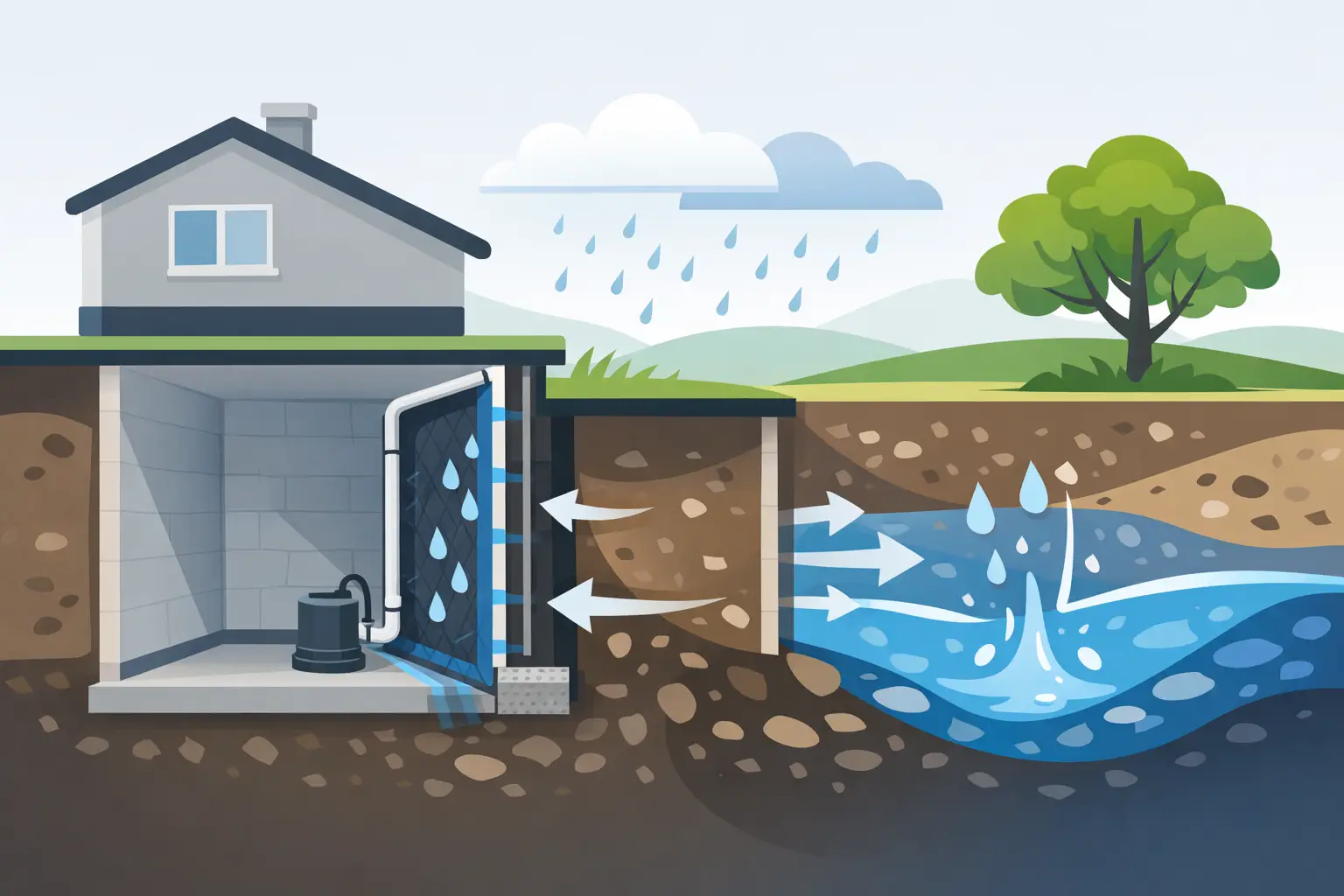
Water always follows the easiest path. During a storm, soil around the foundation can become saturated. Hydrostatic pressure then pushes moisture against below-grade walls and floors. If drainage is compromised or concrete has a vulnerable opening, water finds its way inside.
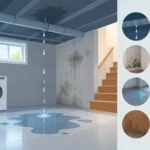
Watch for musty odors, peeling paint, white mineral deposits on concrete, damp carpet edges, rusty furnace components, or water collecting near wall-floor joints. These signs may seem minor, but they often point to a drainage or foundation issue that will worsen with the next major rainfall.
A sudden flood is different from ongoing seepage, but it still needs a proper diagnosis. If the water is dirty, carries a sewage odor, or rises through a floor drain, the issue may involve a blocked sewer line or backflow rather than exterior groundwater. That distinction matters because waterproofing alone will not solve a sewer backup.
Basement Waterproofing Starts With Diagnosis
No surprises starts with knowing what is actually happening below ground. A qualified specialist should inspect the interior walls, floor joints, visible cracks, window wells, downspout discharge, grading, and drainage conditions before recommending a repair.
For some properties, a camera inspection of drain lines or weeping tile is the missing piece. Older homes in the GTA may have aging clay drains, root intrusion, collapsed sections, or sediment buildup that prevents water from moving away from the foundation. When water has nowhere to go, it can build up beside the house and enter the basement.
The best solution is not automatically the biggest project. A localized crack repair may be enough when there is one confirmed entry point. A home with repeated seepage along several walls, however, may need an interior drainage system or exterior excavation to address the underlying water pressure. Honest diagnosis protects your home and your budget.
Interior vs. Exterior Waterproofing
Both approaches can be highly effective. The right choice depends on access, the condition of the foundation, where water enters, and whether the goal is to block water outside or manage it safely once it reaches the foundation.
Exterior Waterproofing
Exterior waterproofing addresses water from the outside. Crews excavate along the foundation wall, clean and inspect the exposed surface, repair cracks, apply a waterproof membrane, and install or upgrade drainage materials as needed. The area is then backfilled carefully so water can move down toward the drainage system instead of sitting against the wall.
This approach is often the strongest long-term option when foundation walls show widespread moisture problems, exterior cracks, deteriorated waterproofing, or failed weeping tile. It can also be the right choice when a homeowner is already planning landscaping, driveway, or foundation work.
The trade-off is access and cost. Excavation requires room around the home and can affect patios, gardens, decks, walkways, or other exterior features. A professional team should explain what needs to be moved, how the site will be protected, and how cleanup will be handled before work begins.
Interior Waterproofing
Interior waterproofing manages groundwater from inside the basement. A narrow section of concrete is opened around the perimeter, a drainage channel is installed, and water is directed to a sump pit. The sump pump then discharges that water away from the foundation.
This method is often a practical answer where exterior excavation is limited by neighboring structures, finished landscaping, additions, or tight property lines. It is also useful when groundwater pressure is the main problem and the foundation wall itself remains structurally sound.
Interior systems do not make outside water disappear. They give it a controlled path so it cannot rise through the floor or collect behind basement finishes. That is why the sump pump, discharge line, and backup planning are just as important as the drainage channel itself.
Sump Pumps, Weeping Tile, and Discharge Lines
A sump pump is a key part of many basement water-control systems, but it is not a set-it-and-forget-it device. It needs the right pit size, a reliable float switch, a properly sized discharge line, and an outlet that sends water far enough from the house that it cannot flow back toward the foundation.
For homes that lose power during severe storms, a battery backup pump or other backup strategy can be worth serious consideration. Storms can knock out power at exactly the moment the pump needs to work hardest. Testing the pump periodically and keeping the pit clear helps avoid unpleasant surprises.
Weeping tile, also called footing drainage, runs beside the foundation and collects groundwater. When it is blocked, broken, or undersized, water pressure can build around the home. In some cases, cleaning or repairing the line restores drainage. In others, replacement is the more dependable solution.
Foundation Cracks Need the Right Repair
Not every crack means structural failure, but every active crack deserves attention. Thin vertical cracks can develop as concrete settles and cures. If water is coming through one of them, an injection repair may seal the path from inside. Horizontal cracks, stair-step cracks in masonry, widening gaps, or bowing walls require more careful evaluation because they can signal significant pressure or movement.
Cosmetic patching on the inside surface may hide a crack temporarily, but it does not always stop water under pressure. The repair method should match the crack, the wall material, and the water conditions. When a foundation issue and drainage issue are connected, solving only one can leave the home exposed.
Protect a Finished Basement Before It Floods
Finished basements raise the stakes. Drywall, flooring, insulation, furniture, electronics, and personal belongings can turn a small leak into a major restoration bill. If you notice dampness or recurring odors behind a finished wall, do not wait for visible flooding before investigating.
Keep valuable items off the floor, avoid storing cardboard directly against foundation walls, and make sure downspouts discharge well away from the home. Check that the ground slopes away from the foundation rather than toward it. These measures help, but they are not substitutes for repairing failed drainage, cracks, or water entry points.
If water enters during a storm, move belongings to a dry area if it is safe to do so. Do not use electrical equipment near standing water, and avoid contact with water that may contain sewage. Fast extraction and drying can reduce damage, but the source still has to be corrected or the problem will return.
Choose a Repair Plan Built for Your Property
A wet basement can feel overwhelming because the cause is often hidden. That is why clear communication matters. You should know whether the recommendation is crack repair, exterior waterproofing, interior drainage, a sump pump system, weeping tile work, or a drain repair – and why that option fits your property.
Water Pro Master Corp brings plumbing, drain diagnostics, waterproofing, and foundation services together, so homeowners do not have to guess whether the problem starts with a pipe, a drain, or the foundation itself. The goal is fast, clean work with no mess left behind and no surprises – just a repair plan designed to keep water where it belongs.
Water damage does not wait for a convenient day. If your basement shows signs of seepage, musty air, foundation cracks, or recurring flooding, arrange an assessment before the next heavy rain turns a warning sign into a costly emergency.