
A drain that slowly empties after a shower may feel like a minor annoyance. But when it starts gurgling, sending odors through the house, or backing water into a basement floor drain, the problem has moved beyond a simple clog. Prompt drain repair Toronto property owners can rely on is about finding the cause before wastewater, rainwater, or a broken pipe damages the parts of a home that are hardest to restore.
Toronto and the GTA have many older properties with aging clay, cast-iron, and galvanized drain lines. Tree roots, shifting soil, seasonal freeze-thaw cycles, heavy rain, and years of buildup can all affect how those pipes perform. The right repair depends on what is happening inside and around the line – not on guessing from the surface.
Signs You May Need Drain Repair in Toronto
A single slow sink can sometimes be cleared with professional drain snaking. Repeated symptoms across more than one fixture are different. If the toilet bubbles when the washing machine drains, the bathtub fills while the sink is running, or wastewater comes up through a basement drain, there may be a restriction or failure in the main sewer line.
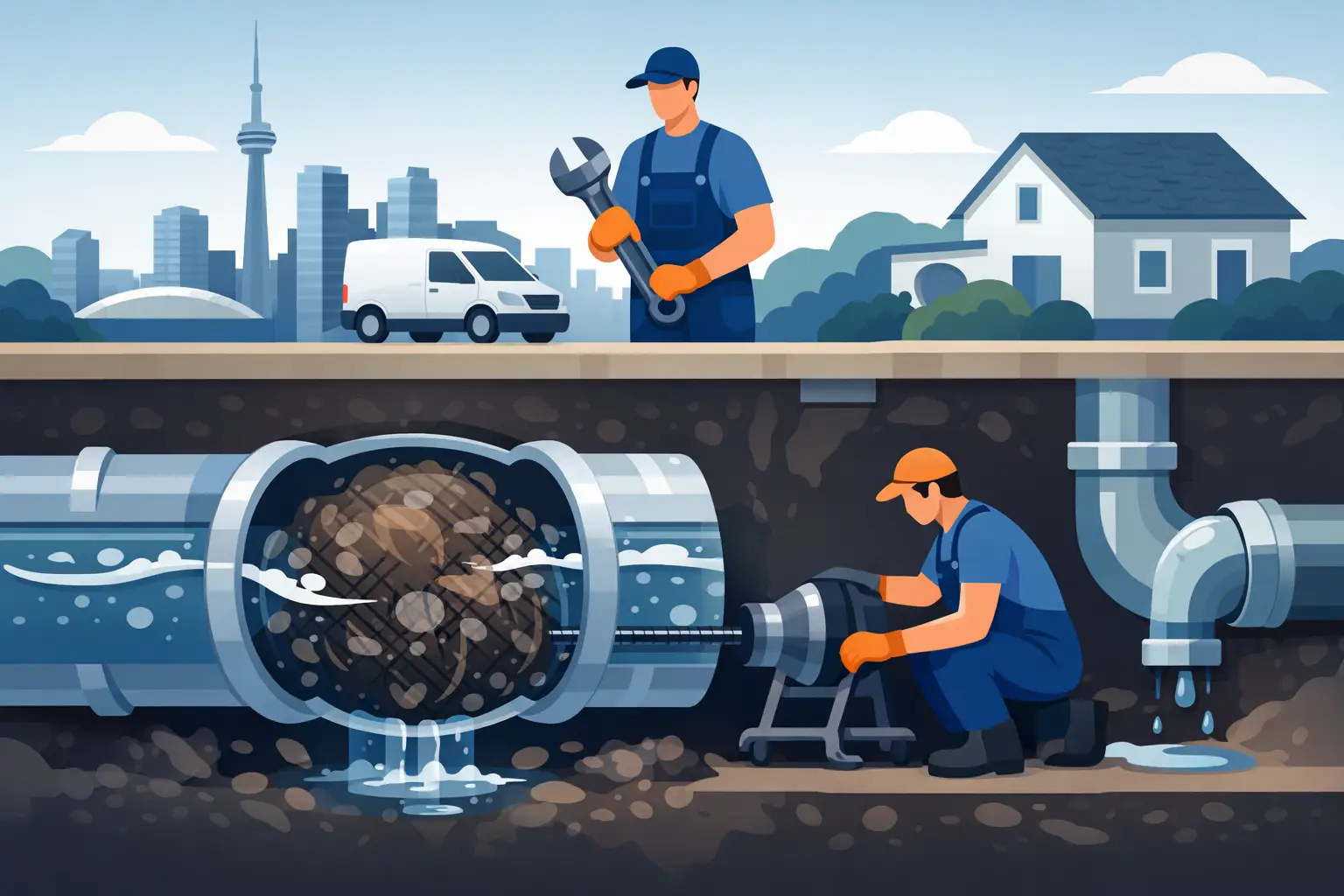
Watch for recurring clogs in the same fixture, sewage odors, wet spots near a drain pipe, unexplained dampness in the basement, or water around a floor drain after rain. A sudden increase in pests can also point to a cracked or open underground line. These signs do not automatically mean the entire pipe needs replacement, but they do call for a proper diagnosis.
The most urgent warning is sewage backup. Keep people and pets away from contaminated water, avoid using toilets, showers, sinks, and laundry appliances, and call for professional help right away. More water sent down the line can make the cleanup and damage significantly worse.
Why Drains Fail in GTA Homes
Drain problems are rarely random. In a newer home, grease, soap residue, wipes, hair, food scraps, or foreign objects may block a branch line. In older Toronto homes, the issue is often deeper in the system.
Tree roots naturally seek moisture. Even a small opening at a pipe joint can attract roots, which grow inside the line and trap paper and debris. Clay pipes are especially prone to joint separation over time, while cast-iron pipes can corrode internally until the passage narrows. Soil movement can create a belly, or low section, in a pipe where water and waste sit instead of flowing away. A cracked, offset, or collapsed pipe cannot be permanently fixed by clearing it alone.
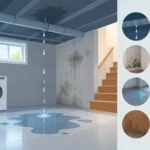
Heavy rain adds another layer of risk. Municipal systems can become overwhelmed during major storms, and a home without a working backwater valve may be more exposed to sewer backflow. A wet basement is not always a drain-line issue, either. Foundation cracks, failed weeping tiles, poor grading, and sump pump failures can bring groundwater into the same space. Separating these causes matters because each one needs a different solution.
Start With a Camera Inspection, Not a Guess
The most useful first step for a recurring or serious issue is a drain camera inspection. A licensed professional feeds a specialized camera through the line to see the pipe condition in real time. This can reveal roots, grease buildup, cracks, offsets, standing water, broken sections, or a full collapse.
A camera inspection helps prevent two expensive mistakes: repairing a pipe that only needed cleaning or repeatedly cleaning a pipe that is structurally damaged. It also gives property owners a clear explanation of what is wrong, where it is located, and which repair options make sense.
For homes with older drainage systems, a camera inspection can be valuable even before an emergency. It is a practical way to check a line before finishing a basement, purchasing a property, adding a rental unit, or planning major landscaping near mature trees.
Drain Cleaning vs. Drain Repair
Drain cleaning restores flow. Drain repair restores the pipe itself. The distinction is simple, but it affects both the cost and long-term outcome.
Professional drain snaking is often effective for a localized blockage, such as hair in a shower line or debris in a kitchen drain. Hydro jetting uses high-pressure water to remove heavier grease, sludge, scale, and root residue from suitable pipes. It can clean a line far more thoroughly than a basic cable machine, but it should be chosen carefully. If a pipe is badly corroded or damaged, aggressive cleaning without inspection may expose an existing weak point.
Repair is needed when the line has cracks, holes, separated joints, severe corrosion, a sagging section, or a collapse. If roots return quickly after clearing, that is another sign that an opening in the pipe remains. Clearing restores service for the moment. Repair addresses why the problem keeps coming back.
Repair Options for Damaged Drain Lines
There is no one-size-fits-all answer to drain repair. The pipe material, depth, access, damage location, and condition of the surrounding ground all matter. A good contractor should explain the trade-offs clearly and provide an estimate before work begins.
Trenchless Pipe Relining
Pipe relining creates a new pipe inside the existing damaged line. After the pipe is cleaned and prepared, a resin-saturated liner is installed and cured in place. The result is a jointless inner surface that can seal cracks, cover compromised joints, and help prevent root intrusion.
Relining can be a strong option when the original pipe path is still usable and the damage is not a complete collapse. Because it often avoids extensive excavation, it may protect finished basements, driveways, walkways, and landscaping. It is not the right choice for every line, particularly when the pipe has severe misalignment or has lost its shape entirely.
Pipe Bursting or Targeted Replacement
When a pipe is collapsed or too damaged to line, pipe bursting may allow a new pipe to be installed while breaking apart the old one underground. In other cases, a targeted excavation is the most dependable answer. Excavation can sound disruptive, but it is sometimes the best way to replace a failed section, correct a major slope problem, or access connections that cannot be repaired from inside the pipe.
The goal is not to sell the largest project. It is to choose the repair that solves the actual problem and gives the property a reliable drainage system for years to come.
Protect the Basement After the Repair
A repaired sewer line is a major step, but it may not address every source of basement water. If water enters during rain rather than appearing when fixtures drain, waterproofing and drainage around the foundation should be assessed. Interior or exterior waterproofing, weeping tile work, a sump pump system, and foundation crack repair may be part of the long-term prevention plan.
For sewer-backup protection, a properly installed backwater valve can prevent wastewater from flowing backward into the home during a municipal surcharge. It needs to remain accessible and should be maintained, because a valve that is blocked or stuck cannot do its job when a storm hits.
Property owners can also reduce strain on their drains by keeping grease, wipes, hygiene products, and food scraps out of the system. Even products labeled flushable can catch on roots, rough pipe walls, or damaged joints. In homes with a known root issue, scheduled camera checks and cleaning can help avoid an after-hours backup while a permanent repair is being planned.
What to Expect From a Professional Drain Repair Visit
A reliable drain repair process should feel straightforward, especially when you are dealing with a stressful backup. The technician should ask about the symptoms, inspect the affected fixtures or area, and use the appropriate diagnostic tools. If a camera inspection is needed, you should be shown the findings in plain language rather than handed a vague recommendation.
Before repairs begin, ask what caused the failure, whether cleaning alone would be temporary, what access is required, and what warranty applies to the work. Clean job sites and careful protection of interior spaces matter just as much as the equipment used underground. No surprises – just a clear scope, a clear estimate, and a repair plan based on evidence.
Water Pro Master Corp helps Toronto and GTA property owners handle everything from emergency sewer backups to planned camera inspections, trenchless repairs, backwater valve installation, and basement-water protection. With more than 25 years of experience, the focus is fast diagnosis, clean workmanship, and a repair that fits the condition of the property.
If your drains are making noise, draining slowly, or sending water where it does not belong, do not wait for the next heavy rain or full backup to force the issue. A timely inspection can turn an uncertain plumbing problem into a clear, manageable repair before it reaches your basement, finishes, and foundation.