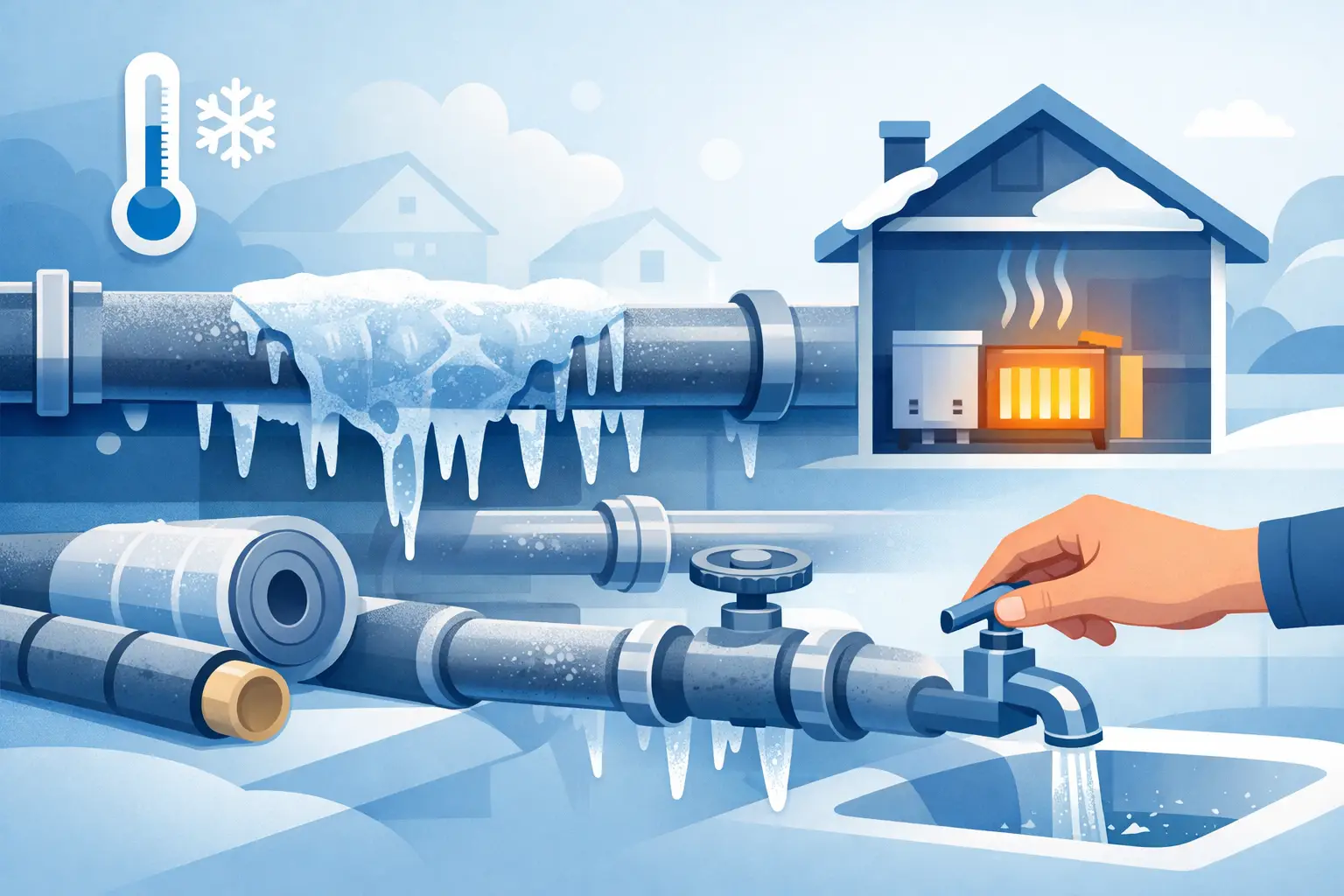
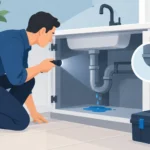
A Toronto winter cold snap can turn a small plumbing weakness into a major water emergency overnight. Frozen pipes do not always burst while they are frozen. The real damage often begins as the ice thaws, water pressure returns, and a split section of pipe starts leaking behind a wall, under a sink, or above a finished basement.
For homeowners and property owners, the goal is simple: act early, thaw safely, and know when the situation needs an emergency plumber. A burst water line can soak insulation, flooring, drywall, electrical components, and personal belongings in a matter of minutes. Water damage does not wait, and neither should your response.
Why frozen pipes are so dangerous
Water expands when it freezes. Inside a pipe, that expansion can create enough pressure to crack copper, plastic, or older galvanized piping. The rupture may occur right at the ice blockage or farther down the line where pressure builds up.
Pipes are most vulnerable when they run through unheated or poorly insulated areas. In GTA homes, that often means exterior walls, garages, crawl spaces, unfinished basements, attic spaces, and cabinets along outside walls. Older homes can be at greater risk because insulation may be incomplete and aging pipe connections may already be weakened.
A pipe does not need to be fully exposed to freeze. A small opening around a utility line, foundation crack, drafty basement window, or uninsulated rim joist can allow enough cold air in to freeze a nearby line.
Signs you may have frozen pipes
The clearest warning sign is little or no water coming from a faucet during freezing weather. If one fixture has low flow while others work normally, the problem may be limited to the branch line serving that area. If multiple fixtures are affected, the frozen section could be closer to the main water supply.
Other signs deserve attention too. Frost on visible pipes, bulging pipe sections, unusual banging sounds, or a strong cold draft near plumbing can point to trouble. You may also notice a toilet that will not refill properly or a washing machine supply line that has stopped delivering water.
Do not assume a pipe is safe just because water starts flowing again. Check exposed lines, ceilings, walls, and cabinets for dampness as temperatures rise. A slow leak can hide long enough to create mold, damaged framing, or a flooded lower level.
What to do when a pipe freezes
Start by opening the affected faucet. Leave both the hot and cold sides open if you are unsure which line is frozen. An open faucet relieves pressure and gives melting water a place to escape.
Next, locate the likely frozen section. Look at accessible pipes under sinks, in utility rooms, near exterior walls, and along unfinished basement ceilings. If you cannot find the pipe or it is inside a wall, do not start opening drywall or guessing. That is the point where a professional inspection can prevent a small issue from becoming a larger repair.
If the pipe is visible and shows no crack, you can apply gentle heat. A hair dryer, heating pad, or portable heater positioned safely in the room can gradually warm the area. Begin close to the faucet and work toward the colder section. This approach helps melted water move out as the ice clears.
Never use an open flame, propane torch, charcoal burner, or high-heat device directly on plumbing. These methods can damage pipes, ignite nearby materials, or create a carbon monoxide hazard. Avoid electrical equipment near standing water or active leaks.
As the line thaws, stay nearby. Water may begin flowing normally, or it may reveal a split pipe. If you see dripping, spraying, or pooling water, shut off the home’s main water valve immediately and call for emergency plumbing help.
When to shut off the main water supply
Shut off the main water valve right away if a pipe has burst, a wall or ceiling is wet, water is spreading across the floor, or you cannot identify where a leak is coming from. Every adult in the property should know where this valve is located and how it operates.
In many homes, the shutoff is near the water meter, where the main line enters the basement, or in a utility room. If the valve is hard to turn or has not been tested in years, arrange to have it inspected before winter. A shutoff valve that fails during an emergency is not much protection.
Once the water is off, turn off electricity to any affected area only if it is safe to do so from a dry location. Do not step into standing water near outlets, appliances, or electrical panels. Move valuables away from the leak if possible, then focus on getting the damaged line repaired and the area dried properly.
Why a frozen pipe can lead to basement damage
A burst pipe above a basement can send water through walls and ceilings, but lower-level plumbing also faces its own risks. Lines near foundation walls are exposed to cold soil and drafts. In homes with finished basements, leaks may remain hidden behind drywall until flooring buckles or water stains appear.
There is another issue during a severe winter thaw: melting snow and heavy rain can put pressure on drainage systems already dealing with frozen ground. A home that has both a burst pipe and a drainage problem can require coordinated plumbing, water removal, waterproofing, and restoration work.
This is why a quick visual check is not always enough after an incident. If water reached finished surfaces, insulation, or concealed spaces, the affected area should be assessed for moisture damage. Fast, clean work matters, but so does finding the full source of the problem.
How to prevent frozen pipes before the next cold snap
Prevention starts with keeping vulnerable areas warm. Maintain indoor heat, including when you leave for work or travel. Setting the thermostat too low to save money can lead to a repair that costs far more than the heating bill.
Open cabinet doors under sinks located on exterior walls during very cold weather. This lets warmer room air circulate around the plumbing. Seal drafts around windows, utility penetrations, foundation openings, and exterior wall gaps. Insulating accessible pipes in unheated areas can also make a meaningful difference, particularly around water lines in basements, garages, and crawl spaces.
For pipes that have frozen before, a more permanent correction may be needed. That could mean rerouting a water line away from an exterior wall, improving insulation, repairing a draft source, or replacing compromised piping. It depends on the layout of the home and the condition of the plumbing. Repeated freezing is not something to accept as a normal winter inconvenience.
If you will be away from the property during freezing weather, keep the heat on and ask someone to check the home. Some owners choose to shut off the main water supply before extended travel, but that decision should account for the home’s heating system and any plumbing equipment that needs water. A licensed plumber can help identify the safest approach for your setup.
When professional help is the safer choice
Call for professional help when the frozen section is hidden, water is leaking, the main line may be affected, or you have had repeat freezing problems. These are not situations for trial and error. Camera diagnostics and experienced plumbing inspection can identify whether the issue is a localized freeze, damaged pipe, failing connection, or broader problem with insulation and exposure.
Water Pro Master Corp helps GTA property owners respond to urgent plumbing problems with fast diagnosis, clear estimates, and repairs designed to last. Whether the solution involves an emergency pipe repair, water-line replacement, or correcting the conditions that caused the freeze, the priority is stopping damage and preventing a repeat.
Before the next deep freeze arrives, find your main shutoff valve, check exposed pipes, and address the cold spots you have been meaning to fix. A few practical steps now can keep a frozen line from becoming the water emergency that disrupts your whole home.