


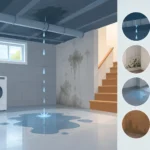
A sewer backup rarely starts with a dramatic flood. More often, it begins with a basement floor drain that gurgles, a toilet that will not flush properly, or water appearing around a shower drain. These sewer backup examples show why acting early matters: wastewater can damage flooring, drywall, belongings, and indoor air quality in a matter of hours.
For homeowners across Toronto, Mississauga, and the GTA, the first job is to identify whether the issue is limited to one fixture or affecting the main sewer line. The difference determines the safest next step and the kind of repair that may be needed.
1. Sewage Rising From a Basement Floor Drain
This is one of the clearest and most serious sewer backup examples. Water or sewage comes up through the lowest drain in the home, often after a toilet flush, a shower runs, or a washing machine drains. The basement floor drain is usually the first place wastewater escapes because it sits below the fixtures on upper levels.
A blockage in the main sewer line is a common cause. Tree roots can grow into older clay or cracked pipes, grease and wipes can collect inside the line, or a collapsed section of pipe can stop wastewater from leaving the property. During heavy rain, a municipal sewer system can also become overloaded and push water back toward a home without adequate backflow protection.
Do not keep running water to test the problem. Stop using toilets, sinks, showers, dishwashers, and laundry machines if possible. Keep children and pets away from the affected area, as sewage can contain harmful bacteria. A camera inspection can pinpoint whether the issue is a blockage, root intrusion, pipe damage, or a backflow event.
2. A Toilet Overflows When Other Fixtures Are Used
A toilet that overflows on its own may have a local clog. But if it bubbles or rises when someone runs the kitchen sink, flushes another toilet, or starts the washing machine, the problem may be farther down the drain system.
This example is especially common in older GTA homes where drain pipes have narrowed over time from scale buildup, roots, or shifting soil. Wastewater is trying to move through a restricted main line, then finding the easiest route back into the house. The toilet often gives the first warning because it has a direct connection to the drainage system.
A plunger may help a simple toilet blockage, but it will not remove roots, repair a broken pipe, or clear a blockage in the main sewer. Repeated plunging can also cause an overflow and spread contaminated water. Professional drain snaking, hydro jetting, and a camera inspection offer a more reliable diagnosis.
3. Dirty Water Backs Up Into a Tub or Shower
You flush a toilet and gray or dirty water appears in the basement shower or bathtub. That is not a normal plumbing quirk. It usually means the shared drain line is restricted and wastewater cannot continue toward the sewer connection.
The appearance of the water provides clues but not a final diagnosis. Water with soap residue may point to a nearby fixture drain, while foul-smelling water with toilet paper or waste indicates a more serious sewage backup. Either way, avoid bathing, showering, or cleaning the area with a hose. Adding more water can make the backup worse.
If this has happened once and then disappeared, do not assume it is solved. Partial blockages often allow water to drain slowly until a high-volume event, such as laundry day or a heavy rainstorm, causes another backup. A drain camera can show the true condition of the line before a small warning becomes a flooded basement.
4. Sewer Backup After Heavy Rain
Heavy rain can expose weaknesses that remain hidden in dry weather. In this example, water enters through a basement drain, toilet, laundry standpipe, or other low opening shortly after a storm. The water may be clear at first, but it should still be treated carefully because it can mix with sewage or contaminated runoff.
Sometimes the cause is municipal sewer surcharge, where public sewer lines fill faster than they can drain. In other cases, rainwater is entering a damaged private sewer lateral through cracks, failed joints, or root openings. Properties with older drainage systems, low-lying lots, and finished basements face higher risk.
The best long-term solution depends on what an inspection finds. A properly installed backwater valve can prevent sewage from flowing backward through the sewer connection. If groundwater or surface water is entering around the foundation, interior or exterior waterproofing, weeping tile improvements, sump pump systems, or grading corrections may also be needed. These are different problems, and treating one while ignoring the other can leave the basement vulnerable.
5. Recurring Backups in the Same Basement Area
A recurring backup is a warning that the previous work addressed the symptom but not the cause. Perhaps a drain was snaked and worked for a few months, only for water to return after the next storm. Or the basement has backed up several times in the same shower, floor drain, or laundry area.
Roots are a frequent reason. Mechanical snaking can cut a path through roots and restore flow, but roots may grow back if there is a crack or open joint in the pipe. Hydro jetting can clean pipe walls more thoroughly in suitable lines, yet it also cannot fix a broken, offset, or collapsed sewer.
This is where camera diagnostics are worth the time. They allow a plumber to see the pipe material, the depth and location of the defect, and whether the line has shifted or deteriorated. Depending on the condition, a trenchless pipe lining repair, pipe bursting, or targeted excavation may provide a longer-lasting result. No-dig repair can reduce disruption, but it is not the right answer for every pipe layout or failure type.
6. Water Appears Around the Washing Machine Drain
A washing machine releases a large volume of water quickly. If the standpipe overflows, the floor drain starts bubbling, or water pools around the laundry area, the drain line may not be able to handle the flow. Lint, detergent buildup, scale, and a partial obstruction are possible causes.
This example can look less alarming than raw sewage in a floor drain, but it should not be ignored. Laundry water can spread across finished flooring, soak drywall, and create conditions for mold. If the laundry room is in the basement, an overflowing drain may also be the first sign of a larger main-line problem.
Stop the wash cycle, turn off the machine if it is safe to do so, and avoid sending more water down nearby drains. A plumber can determine whether the issue is limited to the laundry branch line or connected to the main sewer. The repair may be as straightforward as clearing a blockage, or it may reveal a deeper drainage issue.
7. A Vacant Rental Property Has a Sewer Backup
A backup in a rental home can go unnoticed longer than one in an owner-occupied property. Tenants may be away, the basement may be used for storage, or a slow leak may not be reported until flooring and drywall are already damaged. Property owners should take reports of drain odors, gurgling toilets, slow drains, or moisture near basement fixtures seriously.
There is also a practical responsibility issue. A backup caused by tenant misuse, such as flushing wipes or hygiene products, may require a different conversation than a failure caused by an aging or root-damaged sewer line. A camera inspection provides clear evidence of pipe condition and helps avoid guesswork.
For rental and investment properties, preventative maintenance can be less expensive than an emergency cleanup. Periodic drain inspection is particularly useful for older homes, properties with large mature trees, and buildings with a history of sewer trouble.
What to Do Before Help Arrives
When sewage or wastewater enters the home, protect people first. Stop using water fixtures, keep everyone out of the affected area, and do not attempt to clean raw sewage without proper protective equipment. If water is near electrical outlets, appliances, or a furnace, avoid touching the area and shut off power only if it can be done safely from a dry location.
Take photos for your records once the area is safe, but do not delay the response to document every detail. Fast diagnosis limits damage. Water Pro Master Corp provides 24/7 emergency response, camera inspections, drain clearing, and long-term sewer repair options for GTA property owners facing a backup.
A single gurgle may be minor. Water coming back through a basement drain is not. Treat the early signs seriously, and you have a far better chance of keeping a drain problem from becoming a major restoration project.