


A water line can leak for weeks beneath a lawn, driveway, or basement floor before it announces itself. Then the clues start adding up: an unexplained jump in the water bill, a wet patch that never dries, weak water pressure, or the sound of water moving when every fixture is off. Underground water line leak repair is not a job to put off. A small break can waste thousands of gallons, soften soil around a foundation, damage landscaping, and turn into a much larger repair with little warning.
For homeowners across Toronto, Mississauga, and the GTA, the right first step is not guessing where to dig. It is finding the leak accurately, shutting down the risk, and choosing a repair method that fits the pipe condition, property layout, and budget.
Signs Your Underground Water Line May Be Leaking
Your main water service line runs from the municipal connection to your home. Because most of it is buried, a leak often shows up through symptoms rather than a visible broken pipe.
Start with the water meter. Turn off faucets, appliances that use water, ice makers, irrigation systems, and other water-using fixtures. If the meter continues to move, water may be escaping somewhere on the property. This does not automatically mean the underground line is at fault, but it is a strong reason to schedule a professional inspection.
A spike in your water bill is another common signal, especially when your household routine has not changed. Outside, look for a persistently green or soggy area in the yard, soil that sinks or feels unusually soft, water pooling near the foundation, or a section of pavement that begins to settle. In colder weather, a leak can create an isolated patch where snow melts sooner than the rest of the property.
Inside the home, reduced pressure can point to a damaged or corroded service line. Water that suddenly looks rusty, cloudy, or carries sediment can also be a warning, particularly in older homes with aging metal pipes. These signs have other possible causes, which is why proper diagnosis matters before any repair plan is proposed.
What Causes a Buried Water Line to Fail?
Age is a major factor. Older properties may have galvanized steel, lead, or aging copper service lines that corrode, narrow internally, or develop weak spots over time. Even newer lines can be damaged by poor installation, shifting soil, heavy equipment, or a connection that was not properly sealed.
GTA weather puts buried infrastructure under added stress. Freeze-thaw cycles cause soil to move. Groundwater levels change through the year. Tree roots follow moisture and may press against joints or exploit a small opening. A pipe beneath a driveway can also experience repeated load pressure from vehicles.
Not every leak is a simple crack in a straight section of pipe. Sometimes the problem is at the curb stop, the shutoff valve, a fitting, or the point where the line enters the house. The repair method should follow the actual cause, not the first assumption.
How Professionals Find the Leak Without Guesswork
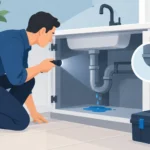
A reliable underground water line leak repair begins with diagnostics. Licensed plumbers typically confirm meter activity, inspect accessible plumbing, test water pressure, and determine whether the leak is on the homeowner’s side of the service connection.
Specialized leak detection equipment can help narrow down the location without tearing up an entire yard. Depending on the property and pipe material, this may include acoustic listening equipment, pressure testing, electronic locating tools, or camera inspection where access allows. The goal is simple: identify the damaged section and understand the condition of the line around it.
This investigation also helps separate a water line leak from drainage trouble. A leaking water service line sends clean water into the soil under pressure. A broken drain line, sewer backup, or groundwater issue requires a different solution. Treating the wrong problem can leave you with a costly excavation and no real fix.
Underground Water Line Leak Repair Options
The best repair depends on how localized the damage is and whether the rest of the pipe is still reliable. A clear estimate should explain what was found, what work is recommended, and why that option makes sense for your property.
Targeted Excavation and Spot Repair
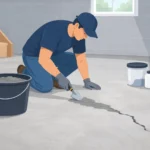
If the leak is isolated and the remaining line is in good shape, a focused excavation may be the most practical answer. The crew exposes the failed area, removes the damaged pipe or fitting, installs a proper replacement section, tests the repair, and restores the excavation area as cleanly as possible.
This approach can be cost-effective, but it is not always the best long-term choice. If an older line has corroded in one place, there may be more weak areas nearby. A spot repair fixes the immediate leak, while a replacement addresses the full lifespan of the service line.
Trenchless Pipe Repair or Replacement
Where conditions allow, trenchless methods can reduce disruption to lawns, gardens, walkways, and driveways. Pipe bursting replaces an old line by pulling a new pipe through the existing route while breaking apart the failed pipe. Other no-dig approaches may be possible depending on the line layout and access points.
Trenchless work is not magic, and it is not right for every job. Severe pipe collapse, difficult access, utility conflicts, or certain connection issues can require excavation. Still, for many properties, it offers a faster, cleaner alternative to digging a long open trench across the yard.
Full Water Service Line Replacement
When a pipe is extensively corroded, repeatedly leaking, undersized, or made from outdated material, replacement is often the smarter investment. Replacing the full run can restore dependable pressure and avoid a cycle of emergency patchwork.
A professional plan should account for permits where required, utility locating, municipal requirements, shutoff access, pipe sizing, and restoration. The lowest quote is not always the lowest cost if it skips diagnostics, uses unsuitable materials, or leaves the property owner facing another failure next season.
What to Do While You Wait for Repair
If you suspect an active leak, avoid digging on your own. Buried gas, electrical, communications, and municipal lines may be nearby. Unplanned digging can be dangerous and can make an eventual repair more complicated.
If water is entering the basement, pooling near the foundation, or flowing at the surface, shut off your home’s main water valve if it is safe to do so. Move stored items away from wet areas and keep electrical devices clear of standing water. Take photos of the affected yard, meter reading, and any visible water for your records.
Do not ignore a leak because the water is outdoors. Saturated soil can move toward the foundation, add pressure to below-grade walls, and find its way into a finished basement. Fast action protects more than the pipe itself.
Questions to Ask Before Approving the Work
You deserve more than a vague recommendation to “dig and see.” Ask how the leak was confirmed, whether the technician believes the pipe has broader deterioration, and why spot repair, trenchless work, or replacement is being recommended. You should also understand how landscaping, concrete, and access areas will be handled after the repair.
Ask whether the estimate includes locating, excavation, pipe material, testing, permits if needed, and cleanup. Confirm the warranty details in writing. Transparent communication matters most when a problem is buried and the repair options are not visible from the surface.
Water Pro Master Corp approaches water line problems with the same priority as any property emergency: find the source, explain the options plainly, and complete clean, durable work with no surprises. With licensed plumbing expertise and no-dig solutions available when conditions are right, the focus is on stopping the damage without creating unnecessary disruption.
A leaking underground line rarely gets better on its own. If your meter keeps moving, your yard has an unexplained wet spot, or your water bill suddenly climbs, arrange a professional assessment before a hidden leak becomes a foundation, driveway, or basement problem.