


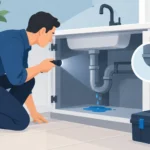
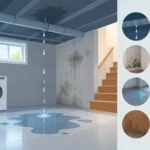
A wet basement rarely starts as a dramatic flood. It may begin with a damp corner after a storm, a white chalky stain on the wall, a musty smell, or a crack that seems to grow each season. A waterproofing company Mississauga homeowners can rely on should find the source before recommending a repair. The goal is not to hide water damage. It is to stop water from reaching your foundation and give your property lasting protection.
Mississauga homes face a mix of heavy rain, spring thaw, aging drainage systems, and shifting soil. Those conditions can expose weaknesses around foundation walls, window wells, weeping tiles, and underground drains. Fast action can prevent damage to finished spaces, stored belongings, framing, insulation, and the foundation itself.
When a Basement Water Problem Needs Professional Help
A single spill from an appliance is one thing. Water that returns after rain or appears along a foundation wall is another. If you notice recurring moisture, do not assume a dehumidifier or a fresh coat of paint will solve it. Those may reduce symptoms while water continues to move through the structure.
Call for an inspection when you see water pooling at the base of a wall, peeling paint, mold growth, rusting furnace components, damp carpet, bowed walls, or cracks that leak during wet weather. A sewage smell, slow floor drain, or water coming up through a drain also needs immediate attention. That may point to a drainage or sewer issue rather than groundwater alone.
The difference matters. Waterproofing, plumbing, drain repair, and foundation work often overlap below grade. A contractor who can inspect the entire system can help prevent a partial repair that leaves the actual source untouched.
What a Waterproofing Company in Mississauga Should Diagnose
No two wet basements have the same cause. A reliable inspection starts outside and follows the water path toward the house. The technician should look at grading, downspout discharge, foundation cracks, exterior drainage, window wells, and visible signs of soil settlement. Inside, they should assess wall and floor moisture, drain performance, sump pump operation, and evidence of sewer backup.
Camera inspections are particularly valuable when a blocked, broken, or root-damaged drain may be contributing to the problem. Older homes can have deteriorated pipes or weeping tiles that no longer direct groundwater away from the foundation. Without a clear diagnosis, it is easy to spend money on a repair that treats only what is visible.
Ask the contractor to explain what they found in plain language. You should understand where the water is entering, why it is happening, what repair options are available, and what each option is designed to prevent. Honest communication matters when the work is happening around your home’s most critical structure.
Interior vs. Exterior Waterproofing: Which Repair Fits?
Interior and exterior waterproofing both have a place. The right choice depends on access, the type of water intrusion, the condition of the foundation, and your long-term plans for the basement.
Exterior waterproofing
Exterior waterproofing addresses water before it reaches the foundation wall. The work typically involves excavating around the affected area, repairing cracks, applying a waterproof membrane, and installing or replacing weeping tile where needed. Clean gravel and proper drainage materials help move groundwater away from the home.
This approach is often the strongest long-term solution for persistent groundwater pressure or exterior foundation wall leaks. It can also make sense when the yard needs drainage corrections anyway. The trade-off is that excavation can involve landscaping, decks, walkways, and tight-access areas. A professional should explain how the site will be protected and restored.
Interior waterproofing
Interior waterproofing manages water that reaches the foundation by collecting it at the perimeter and directing it to a sump pump or suitable drainage outlet. It can be a practical choice when exterior excavation is restricted, when access is limited, or when the water issue is primarily at the floor-wall joint.
A properly installed interior system is not simply a quick patch. It requires careful concrete work, a drainage channel, appropriate wall treatment where needed, and a dependable sump pump system. It is often less disruptive outdoors, but it does not replace exterior crack repair when a damaged foundation wall needs direct attention.
Crack repair and foundation restoration
Not every crack requires major excavation. Some non-structural cracks can be repaired using professional injection methods, especially when caught early. However, horizontal cracks, bowing walls, large displacement, or repeated cracking may indicate soil pressure or structural movement. Those conditions call for a more detailed foundation assessment.
If a basement is being lowered, an addition is planned, or the foundation needs reinforcement, underpinning may be part of the conversation. A responsible contractor will not sell foundation work where a targeted drainage repair is enough. At the same time, they should not minimize signs that a structural issue may be developing.
The Drainage Details That Protect Your Investment
Waterproofing works best as part of a complete water-management plan. If roof runoff empties beside the foundation or the soil slopes toward the home, even a well-repaired wall will face unnecessary water pressure.
Your contractor may recommend extending downspouts, correcting grading, improving window wells, repairing damaged weeping tiles, or installing a French drain in areas where surface water collects. A sump pump may be recommended to move collected groundwater safely away from the home. For homes at risk of municipal sewer backup, a backwater valve can add another layer of protection by helping block sewage from flowing backward through the drain system.
These solutions are not interchangeable. A sump pump helps manage groundwater inside a drainage system. A backwater valve addresses sewer backflow. Exterior grading controls surface runoff. The best plan uses the measures that match the property’s actual risks.
Questions to Ask Before You Hire
Water damage creates pressure to decide quickly, especially when a finished basement is wet. Still, a few direct questions can help you choose with confidence. Ask whether the company is licensed and insured, how it confirms the source of water, whether the estimate describes the scope of work, and how it handles unexpected conditions discovered during excavation.
Also ask about cleanup, protection for landscaping and interior spaces, warranty coverage, and who will be performing the work. A clear written estimate should separate diagnosis, repair recommendations, and costs. No surprises is not just a promise. It means you know what is being repaired and why before work begins.
Be cautious of anyone who recommends the same solution for every basement without inspecting drainage conditions. The lowest quote can become expensive if it omits critical details such as crack repair, drainage connections, proper membrane application, sump discharge, or restoration work.
Fast Help for Active Leaks and Flooding
If water is entering now, move valuables away from the area and avoid using electrical equipment near standing water. If the water may be sewage, keep people and pets away from the affected space. Do not attempt to open drains or remove contaminated water without proper protection.
Water Pro Master Corp provides 24/7 support for urgent drainage, sewer, and basement-water problems across Mississauga and the GTA. With licensed plumbing knowledge, camera diagnostics, waterproofing expertise, and clean job-site practices, the team can identify whether the emergency starts with a drain, a sewer line, groundwater, or the foundation itself.
A basement should be usable space, not a room you check anxiously every time rain is in the forecast. Get the cause identified early, choose a repair that fits your property, and protect your home before a small leak becomes a major restoration project.