


A sewer backup rarely starts with a dramatic flood. It may begin with a basement floor drain gurgling, a toilet bubbling when the washer drains, or a sewage smell near a lower-level bathroom. Knowing how to stop sewer backflow at the first warning sign can protect your basement, belongings, and indoor air quality from a much larger mess.
For homeowners in Toronto, Mississauga, and across the GTA, the risk is often highest during heavy rainfall, spring thaw, and periods when municipal sewers are under pressure. Older homes can also have cracked clay pipes, root intrusion, undersized drains, or missing backflow protection. The right response depends on what is causing the water to move the wrong way.
What Sewer Backflow Means for Your Home
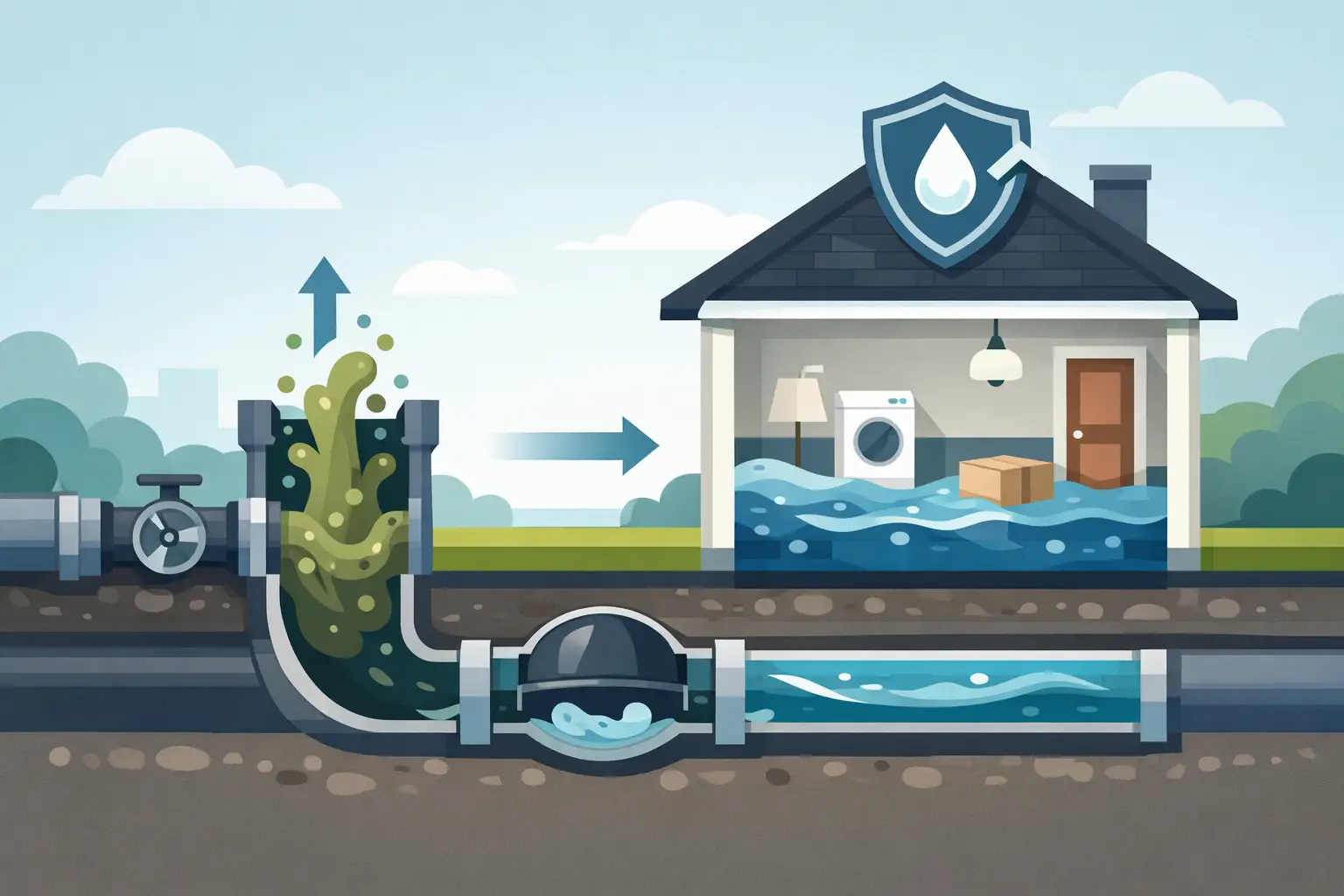
Sewer backflow occurs when wastewater cannot move out through your property’s sewer line as intended and reverses into lower fixtures or floor drains. Because a basement is usually below street level, it is commonly the first area affected.
The source may be inside your plumbing system, such as a blocked main drain, or outside the home, such as an overloaded municipal sewer during a storm. That difference matters. A simple clog may be cleared with professional drain snaking or hydro jetting. A recurring city-sewer issue often calls for a properly installed backwater valve and a closer look at drainage around the foundation.
Do not assume dirty water is just a basement leak. If water has an odor, contains debris, or rises from a floor drain, toilet, shower, or laundry sink, treat it as a potential sewage backup. Keep people and pets out of the affected area until the problem is assessed.
How to Stop Sewer Backflow During an Emergency
When wastewater is coming up through a drain or fixture, speed matters. Start by stopping water use throughout the property. Do not flush toilets, run the dishwasher, shower, wash clothes, or drain sinks. Every gallon sent down a drain can add to the backup if the main sewer line is blocked.
If it is safe to reach your electrical panel without stepping into water, shut off power to the affected basement area. Never touch electrical equipment while standing in water. If the water level is rising quickly, move valuables away from the area only if you can do so safely, then leave the cleanup and diagnosis to trained professionals.
Call for emergency drain service right away when sewage is actively entering the home. A licensed plumber can determine whether the line is clogged, broken, root-damaged, or affected by municipal backflow. A camera inspection is especially useful because it shows the condition of the pipe from the inside instead of relying on guesswork.
Avoid chemical drain cleaners. They rarely solve a main-line blockage, can damage older pipes, and create a hazardous cleanup situation for anyone working on the drain. Do not try to force the problem away with a plunger if multiple fixtures are backing up. That pattern usually points to a blockage farther down the system.
The Most Reliable Way to Prevent Sewer Backflow
Install a backwater valve
A backwater valve is one of the strongest defenses against sewer water reversing into a home. Installed on the main sewer line, it allows wastewater to leave the property but closes when flow attempts to come back from the municipal side.
This is not a one-size-fits-all installation. The valve must be correctly sized, placed where it remains accessible, and installed according to local plumbing requirements. In many homes, it is set in the basement floor or outside along the sewer connection. A qualified installer can inspect the existing line, identify the best location, and explain whether permits or municipal rebate programs may apply.
A backwater valve protects against outside sewer surges, but it does not eliminate internal drain clogs. If your own main line is blocked, wastewater can still back up inside the home. That is why valve installation should be paired with a thorough drain inspection and ongoing maintenance.
Keep the main sewer line clear
Tree roots naturally seek moisture and can enter old pipes through tiny cracks or separated joints. Once inside, roots catch grease, paper, and debris until the pipe slows or blocks completely. Homes with mature trees, older clay or cast-iron lines, and a history of slow drains should not wait for a basement backup before checking the sewer line.
A camera inspection can locate root intrusion, pipe offsets, cracks, bellies, and buildup. From there, the repair should match the actual condition. Hydro jetting can remove heavy grease and debris from suitable pipes. Root cutting may restore flow in the short term. If the pipe is damaged or repeatedly invaded, trenchless pipe relining or pipe bursting may provide a more durable repair with far less excavation than traditional replacement.
Manage stormwater around the house
Not every wet basement is caused by sewer backflow, but heavy groundwater and surface runoff can put extra pressure on below-grade spaces. Keep gutters clear, extend downspouts away from the foundation, and make sure the ground slopes away from the house.
If water is repeatedly collecting near basement walls, an exterior waterproofing system, weeping tile repair, or French drain may be needed. Interior drainage and a sump pump can also help manage groundwater that reaches the foundation. These systems solve a different problem than a backwater valve, but in many GTA homes, both are part of a complete basement protection plan.
Warning Signs You Should Not Ignore
A sewer backup often gives notice before it becomes an emergency. Watch for changes in how lower-level fixtures drain, especially if several fixtures are affected at once. A single slow sink may be a local clog. A toilet that gurgles when the tub drains, or water appearing at a basement floor drain during laundry, suggests a main-drain issue.
Pay attention to recurring odors, water stains around floor drains, and backups that occur only during major rainstorms. These clues help identify whether the problem is within your private sewer line or related to outside sewer pressure. Take note of when it happens, which fixtures are involved, and whether rain was falling. That information makes diagnosis faster and more accurate.
Maintenance That Reduces Your Risk
Good drain habits help, although they cannot repair a failing sewer pipe. Keep grease, wipes, paper towels, hygiene products, cat litter, and food scraps out of drains. Even products labeled flushable can catch on roots or rough pipe interiors and contribute to a blockage.
If your property has a backwater valve, inspect it regularly and arrange professional service when needed. The valve’s flap must move freely and seal properly. Debris can prevent it from closing, while a stuck closed valve can stop your home’s wastewater from draining out. This is a practical trade-off: the equipment that protects against outside backflow needs attention to keep doing its job.
For older homes or properties with previous sewer trouble, schedule a camera inspection before the wet season rather than after a flood. Preventive work is usually cleaner, less stressful, and less expensive than emergency restoration after sewage reaches finished floors, drywall, and stored belongings.
When a Professional Inspection Is the Smart Next Step
If you have had even one sewage backup, do not settle for a quick cleanup without finding the cause. The visible water is the symptom. The real issue may be roots, a collapsed section of pipe, a blocked municipal connection, poor stormwater management, or missing backflow protection.
Water Pro Master Corp can inspect the line with advanced camera equipment, clear blockages, and explain the repair options in plain language. Whether the answer is drain cleaning, trenchless repair, a backwater valve, waterproofing, or a combination of services, you should receive a clear scope of work and no surprises.
A dry basement is not something to leave to chance when the next hard rain arrives. Address the warning signs early, keep your drains maintained, and put the right protection in place before wastewater has a chance to come back through your home.