
A mature tree in the yard, a finished basement, original plaster walls – these are features homeowners want to protect. But beneath many older GTA homes, the drain line may be cracked, offset, root-filled, or simply worn out. Pipe relining for old homes offers a way to repair certain underground pipes from the inside, often without excavating the lawn or breaking up a basement floor.
That does not mean relining is the answer to every sewer problem. The right repair depends on what the camera inspection finds, where the damage sits, how badly the pipe has deteriorated, and whether the line still has the shape needed to support a new liner. A clear diagnosis comes first. No guessing, no surprises.
Why Older Homes Have Different Drain Problems
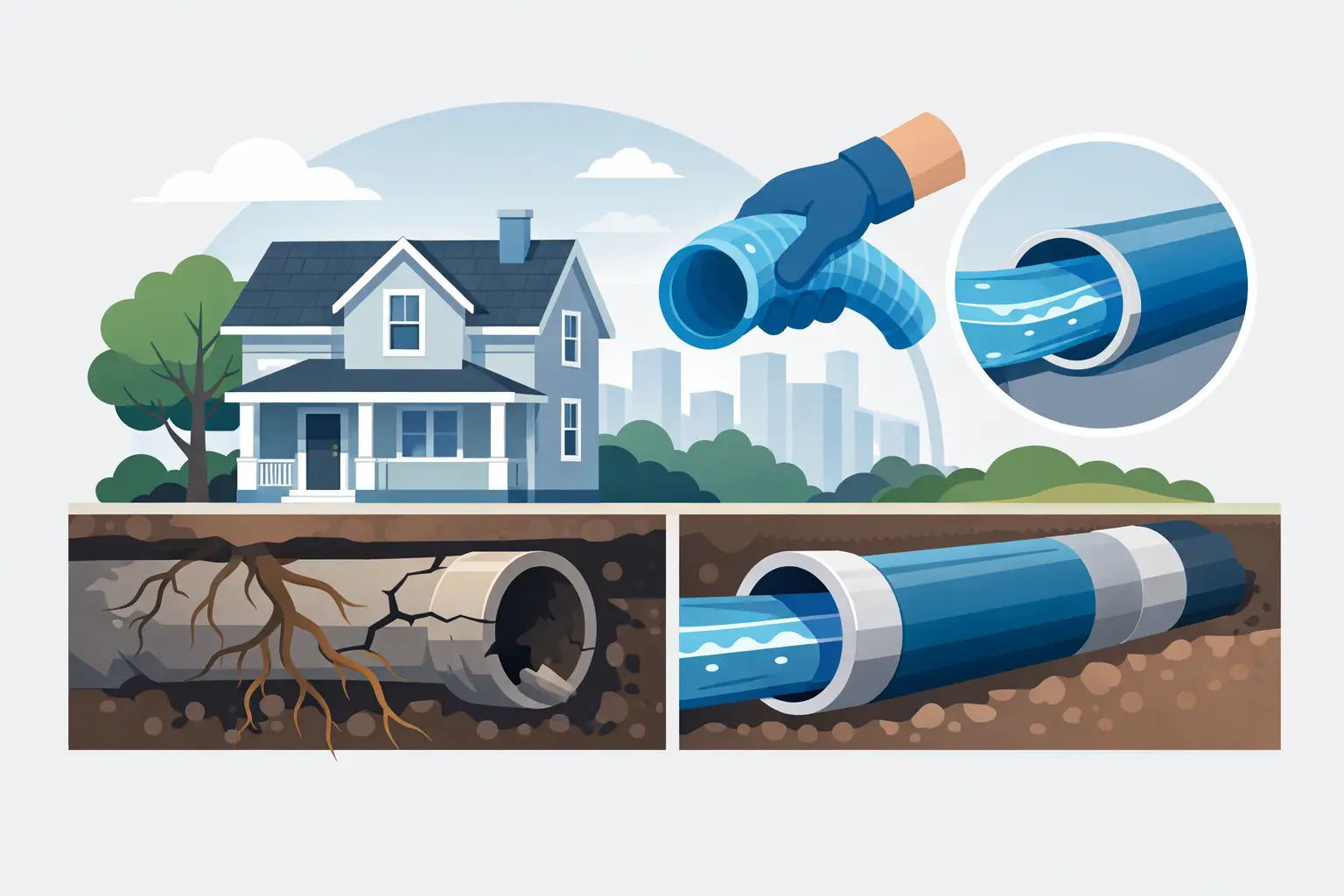
Homes built decades ago often have drain systems made from clay tile, cast iron, or older concrete pipe. Those materials served their purpose, but time, soil movement, corrosion, and tree roots take a toll. Clay joints can separate. Cast iron can rust from the inside until its walls become rough and thin. Concrete can crack, shift, or allow water and roots to enter.
In Toronto, Mississauga, and across the GTA, seasonal freezing and thawing can add stress to aging underground infrastructure. Heavy rain can expose a problem that has been building quietly for years. A drain that used to be merely slow can become a sewer backup when paper, grease, roots, or debris catches at a damaged section.
Common warning signs include recurring clogs in more than one fixture, gurgling toilets, sewage odors, water backing up in a basement drain, wet patches near the foundation, or frequent calls for drain snaking. Snaking can remove a blockage, but it cannot repair a cracked pipe or seal an open joint. If the same issue returns, a camera inspection is usually the next smart step.
How Pipe Relining for Old Homes Works
Pipe relining is a trenchless repair method. After cleaning the existing line and inspecting it with a drain camera, a licensed plumbing team installs a flexible, resin-saturated liner inside the damaged pipe. The liner is positioned, inflated, and cured in place. Once hardened, it creates a smooth new pipe within the original host pipe.
The new interior pipe seals many cracks, separated joints, and root-entry points. Its smooth surface also improves flow compared with rough, corroded cast iron or root-damaged clay tile. Access is typically made through an existing cleanout or a carefully selected entry point, which can reduce the need for major digging.
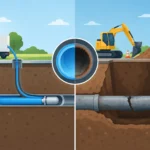
For an older home with landscaping, interlock, mature trees, a deck, or a finished basement, that reduced disruption can be a major advantage. Instead of opening a long trench from the house to the municipal connection, the repair may be completed with limited access and a much cleaner work area.
The Camera Inspection Decides What Is Possible
A camera inspection is not a formality. It shows the exact condition of the pipe and prevents a repair decision based only on symptoms. The technician can identify root intrusion, cracked sections, bellies where water pools, collapsed areas, misaligned joints, and connections that may require special attention.
Relining works best when the existing pipe is largely intact in shape, even if it is cracked, corroded, or leaking at joints. If a pipe is fully collapsed, severely crushed, has a major slope failure, or has an extreme offset, it may need excavation and replacement or pipe bursting instead. Honest recommendations matter because putting a liner into a line that cannot support it is not a lasting repair.
When Relining Is a Strong Choice
Pipe relining can be especially practical when the damaged sewer or drain line runs beneath something expensive or difficult to restore. That may include a finished basement, concrete slab, driveway, garage floor, landscaped yard, or established tree canopy.
It is also a good option for certain lines with repeated root intrusion. Roots do not need much space to enter an old pipe joint. Once inside, they feed on moisture and waste, then expand into a dense blockage. Hydro jetting or root cutting can clear the line, but roots often return through the same gaps. A properly installed liner seals those entry points from within.
Older cast iron lines are another common candidate. As cast iron ages, internal corrosion can narrow the pipe and create rough surfaces that hold waste. Cleaning prepares the line for inspection, while relining can create a smooth, durable inner wall without removing the entire original pipe.
The practical benefit is not just avoiding excavation. It is reducing the disruption that comes with excavation: removing landscaping, cutting concrete, moving fencing, restoring surfaces, and exposing the property to a longer work zone. Every property is different, but no-dig work can protect much more than the pipe itself.
The Trade-Offs Homeowners Should Understand
Trenchless does not automatically mean inexpensive, and it does not always mean zero digging. Relining equipment, cleaning, preparation, and specialist installation all factor into the cost. However, the price should be compared with the full cost of conventional excavation, including restoring lawns, driveways, flooring, or walls afterward.
A line must also be thoroughly cleaned before it can be relined. Heavy scale, roots, and debris can prevent a proper fit if they are not removed. In some cases, hydro jetting is used to restore the pipe interior before the liner is installed. In others, localized repairs may be needed before or alongside the relining work.
Another consideration is pipe diameter. A liner slightly reduces the inside diameter of the old pipe. In a properly designed repair, the smoother interior can still provide excellent flow. But the installer should assess the pipe size, the property’s drainage demand, and the existing condition before recommending the method.
A trustworthy contractor will explain where relining makes sense and where it does not. Be cautious of anyone who recommends a major repair without putting a camera in the line first or who cannot show you the footage and explain it in plain language.
Protecting the Basement While the Drain Is Being Repaired
A damaged sewer line and a wet basement can be related, but they are not always the same problem. A camera inspection can identify a broken drain line, while a separate assessment may be needed for groundwater intrusion, foundation cracks, failed weeping tile, or poor surface drainage.
This matters in older homes because multiple issues can exist at once. A sewer backup may be caused by root-damaged pipe, while rainwater enters through a foundation crack during storms. Repairing only one issue can leave the other one waiting for the next heavy rainfall.
If the property is vulnerable to municipal sewer backup, a backwater valve may also be worth discussing. If the concern is groundwater, interior or exterior waterproofing, a sump pump, or weeping tile work may be the appropriate solution. The goal is not to sell unnecessary work. It is to identify the actual path water is taking and stop it at the source.
What to Expect From a Professional Relining Visit
The process should start with a clear explanation of the symptoms, followed by camera diagnostics and a review of the findings. You should know where the damage is, what material the pipe is made of, whether the pipe can be relined, and what access will be required.
Before work begins, ask how the line will be cleaned, whether any digging is expected, how long the affected fixtures will be out of service, and what warranty applies to the repair. A professional crew should protect the work area, manage debris, and leave the site clean. For a home with a finished basement or carefully maintained yard, that level of care is not an extra. It is part of doing the job right.
Water Pro Master Corp uses camera diagnostics and trenchless repair methods to help GTA property owners make decisions based on the condition of their pipe, not on pressure or guesswork. For urgent backups, fast action can limit damage. For recurring issues, a planned inspection can prevent the next emergency.
Do Not Wait for a Full Sewer Backup
A recurring slow drain is easy to postpone, especially when it clears after snaking. But old drain lines rarely improve on their own. Small root entry, corrosion, and cracked joints can become a serious blockage at the worst possible time – during a family gathering, a storm, or when the basement is already under pressure.
If an older home has repeated drain problems, get the line inspected while there is time to choose the repair method calmly. The best outcome is not simply a pipe that flows today. It is a repair that protects the home, the basement, and the work you have put into keeping the property in good shape.