
A toilet bubbles when the washing machine drains. The bathtub makes a hollow glug-glug sound after a shower. These are not normal house noises. If you are asking what causes drains to gurgle, the short answer is trapped or displaced air in the drain system. The more important answer is that the air may be signaling a developing clog, a blocked plumbing vent, or a sewer line problem that can turn into a messy backup.
A gurgling drain does not always mean an emergency, but it should not be ignored. The location of the noise, the fixtures involved, and whether water is draining slowly help identify how urgent the problem may be.
Why a Drain Gurgles in the First Place
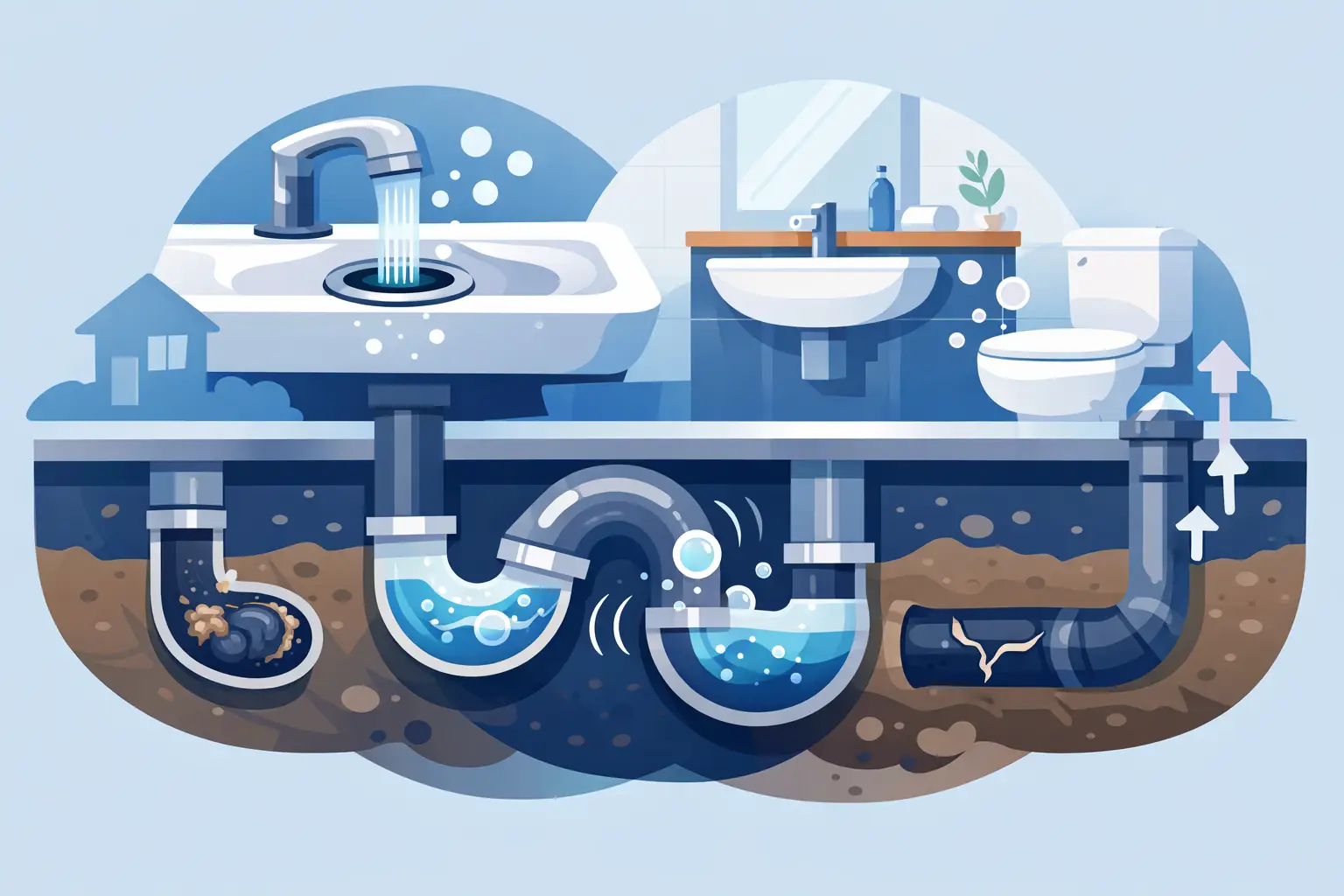
Your plumbing system needs two things to work properly: a clear path for wastewater to leave and a way for air to move through the pipes. As water flows down a drain, it pushes air ahead of it and creates pressure changes behind it. Plumbing vents, which usually exit through the roof, balance that pressure so water can move smoothly.
When a clog or vent restriction interrupts that airflow, the system pulls air through the nearest available opening. That may be a sink, shower, floor drain, or toilet. The bubbling or gurgling sound is air fighting its way past water in the trap.
The sound itself is a clue. A single sink that gurgles may have a local issue. Several fixtures making noise, especially on the lowest level of the home, can point to a restriction farther down the line. That distinction matters because a sewer backup can damage finished basements, flooring, and stored belongings quickly.
What Causes Drains to Gurgle Most Often?
1. A Partial Clog in a Fixture Drain
Hair, soap film, toothpaste, grease, food scraps, and small objects can narrow a drain over time. Water may still get through, but it has to force air around the buildup. That creates the familiar gurgle, often followed by slow draining.
Bathroom sinks and tubs commonly collect hair and soap residue. Kitchen sinks are more likely to deal with grease and food waste. Grease is especially deceptive because it may leave the sink looking clear at first, then cool and stick to pipe walls farther along the drain.
A simple surface-level clog can sometimes be cleared by removing visible debris from the stopper or strainer. If the noise returns, the blockage is probably deeper than what you can reach safely.
2. A Blocked Plumbing Vent
A plumbing vent is not a drainpipe. It is the part of the system that lets air enter and leave so drain pressure stays balanced. Leaves, nests, snow, ice, or debris can block a roof vent. Older homes may also have undersized, damaged, or improperly modified vent piping.
Vent problems can cause gurgling even when the drain itself is relatively clear. You may notice that a nearby fixture reacts when another fixture is used, such as a toilet flushing and making the tub drain bubble.
Roof work is not a good DIY guess. It involves height risks, and a blocked vent can be difficult to confirm without the right diagnostic approach. A licensed plumber can assess whether the problem is in the vent, the branch drain, or the main sewer line.
3. A Clog in the Main Sewer Line
When more than one drain gurgles, a main sewer line restriction moves higher on the list. This is the pipe that carries wastewater from the home to the municipal sewer connection or septic system. A partial obstruction can create pressure throughout the plumbing system, causing lower-level drains to bubble or rise when water is used upstairs.
Common causes include accumulated grease, wipes, paper products, broken pipe sections, pipe scale, and debris. “Flushable” wipes are a frequent problem because they do not break apart like toilet paper. They can snag inside older pipes and create a stubborn blockage that keeps collecting material.
A sewer camera inspection is often the fastest way to stop guessing. It can show the condition of the pipe, the location of the restriction, and whether cleaning, repair, or replacement is the sensible next step.
4. Tree Roots in Older Sewer Pipes
Tree roots seek moisture. Even a tiny crack or loose joint in an underground sewer line can release enough moisture to attract roots. Once roots enter, they spread inside the pipe and catch toilet paper, grease, and other waste. The result may start as occasional gurgling, then become repeated clogs or sewage backing up through a basement floor drain.
Root intrusion is common around mature trees and aging clay, cast-iron, or jointed sewer lines. Clearing roots can restore flow, but cleaning alone may not be a lasting answer if the pipe is cracked, offset, or deteriorating. Depending on the damage, trenchless pipe relining or pipe bursting may repair the line without tearing up the entire yard.
5. Heavy Rain and an Overloaded Sewer System
Gurgling that appears during or just after heavy rain deserves attention, particularly in homes with basements. Rainwater can overwhelm municipal sewer systems, enter damaged private lines, or expose problems with drainage around the property. If the sewer is under pressure, the lowest fixtures in the home are often the first to show it.
A backwater valve can help prevent municipal sewer flow from coming back into the house, but it must be properly installed and maintained. If water is entering the basement from outside as well, the solution may involve sump pump work, waterproofing, weeping tile, or grading corrections. It depends on where the water is coming from. A gurgling floor drain may be part of a plumbing issue, a groundwater issue, or both.
6. A Dry or Compromised Drain Trap
Every sink, tub, shower, and floor drain has a curved section of pipe called a trap. It holds a small amount of water that blocks sewer gases from entering the building. In an infrequently used basement bathroom, laundry sink, or floor drain, that water can evaporate. The drain may then smell unpleasant or make odd noises because the seal is gone.
Pouring water into an unused drain can restore a dry trap. But if the trap keeps emptying, the system may be siphoning water out because of a venting problem or a larger drain restriction. Repeatedly adding water treats the symptom, not the cause.
7. Poor Pipe Slope, Damage, or an Improper Connection
Drainpipes rely on gravity, which means their slope matters. A pipe that is too flat may allow waste to settle. A pipe that is too steep can let water outrun solids. Crushed sections, separated joints, construction debris, and poorly installed connections can also interfere with flow and air movement.
These issues are more likely after renovations, in older homes, or where underground piping has shifted over time. Camera diagnostics are valuable here because they reveal pipe defects that drain snaking alone cannot explain.
When Gurgling Becomes an Urgent Plumbing Problem
Call for professional help promptly if gurgling comes with sewage odors, water rising in a tub or shower, repeated toilet bubbling, slow drains in several rooms, or water appearing at a basement floor drain. Also act quickly if the issue starts during heavy rain or after using a large amount of water, such as running a dishwasher or doing laundry.
Until the line is assessed, reduce water use. Do not keep flushing, running the washing machine, or pouring chemical drain cleaner into the system. Chemical cleaners can damage certain pipes, create dangerous conditions for anyone working on the drain, and rarely solve root intrusion or a main-line obstruction.
For a local fixture clog, professional drain snaking may be enough. For grease, sludge, or recurring buildup, hydro jetting can clean the pipe walls more thoroughly. For a damaged sewer line, the right repair depends on camera findings, pipe material, depth, access, and the extent of the failure. No surprises – just a clear explanation of what the system needs.
How to Prevent Gurgling Drains
Prevention is mostly about keeping the wrong materials out of the pipes and responding to early warnings. Use sink strainers, collect cooking grease in a container instead of pouring it down the drain, and flush only toilet paper. Run water in rarely used drains periodically so traps stay full.
If your home has mature trees, an older sewer lateral, a finished basement, or a history of backups, proactive camera inspections can be worthwhile. They provide a real view of the line before a small restriction becomes an after-hours emergency. Water Pro Master Corp uses drain cameras and targeted cleaning equipment to identify the source without guessing or leaving a mess behind.
A gurgling drain is your plumbing system asking for attention. Address it while it is still a noise, and you may avoid dealing with it later as wastewater on the basement floor.