
A toilet that makes a bubbling or gulping sound after a flush is not just being noisy. When homeowners ask why toilets gurgle after flushing, the answer usually comes down to air moving where water should be moving freely. That can be a minor venting issue, but it can also be an early warning that a drain or sewer line is beginning to clog.
A gurgle is often your plumbing system telling you it is struggling to balance pressure. Acting before the toilet overflows or sewage reaches the basement floor can save a stressful cleanup, damaged finishes, and a much larger repair.
Why Toilets Gurgle After Flushing: The Simple Explanation
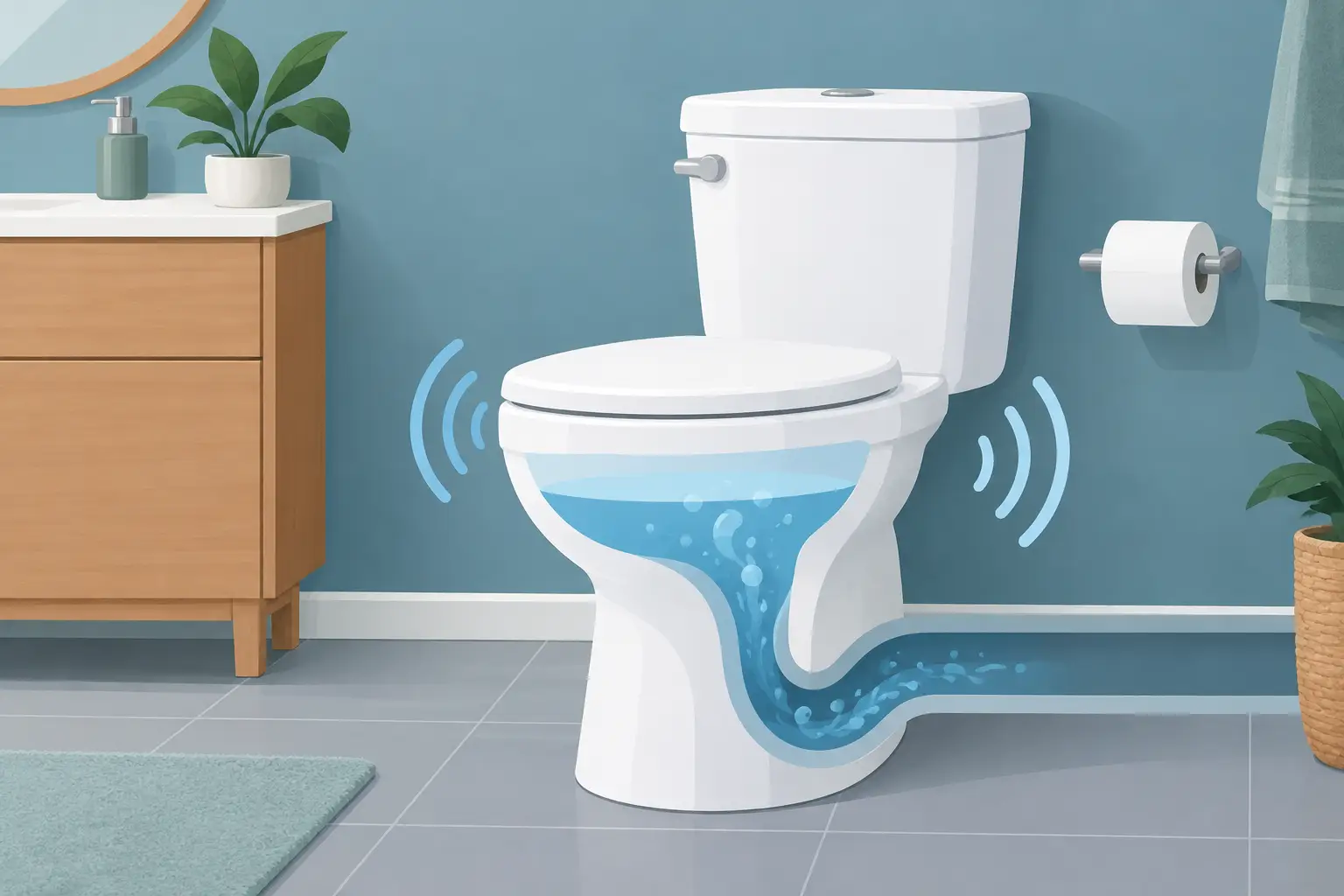
Your home’s drain system needs two things to work together: a clear path for wastewater to leave and a clear path for air to enter. The water from a flush moves through the toilet trap and into the drain pipe. At the same time, plumbing vents allow air to replace the air being displaced by that fast-moving water.
If a pipe is partially blocked or a vent is restricted, the system may pull air through the toilet bowl instead. That movement creates the familiar glug-glug sound. In some cases, you may see bubbles rising in the bowl after the water has flushed.
One isolated gurgle does not always mean an emergency. A repeated sound, a toilet that gurgles when another fixture drains, or any sign of water backing up deserves prompt attention. Drain problems tend to worsen, not clear themselves.
The Most Common Causes of a Gurgling Toilet
A Partial Clog in the Toilet Drain
A partial clog close to the toilet is one of the simpler possibilities. Excess toilet paper, wipes labeled as flushable, hygiene products, small objects, or a buildup inside an older pipe can restrict water flow without fully stopping it.
Because water has to force its way past the restriction, air gets pushed and pulled through the bowl. You may notice weaker flushes, a bowl water level that changes unexpectedly, or a toilet that needs a second flush to clear waste. A proper toilet auger can sometimes remove a localized obstruction, but forcing the issue with repeated flushing risks an overflow.
A Blockage Further Down the Branch Drain
If the toilet gurgles when you run the bathroom sink, drain the tub, or use the washing machine, the blockage may be farther down the shared drain line. The fixture draining first may appear normal, while the toilet becomes the place where trapped air or wastewater shows up.
This is common in homes with older cast-iron, clay, or galvanized drain piping. Grease, soap residue, paper products, scale, and settled debris can narrow the interior of a pipe over time. A drain snake may restore flow in some situations, while hydro jetting may be the better choice for heavy buildup. The right method depends on the pipe material and the condition confirmed during inspection.
A Main Sewer Line Problem
A gurgling toilet can be an early sign of a main sewer line blockage, especially if more than one fixture is affected. Tree roots are a frequent cause across the GTA, where roots naturally seek moisture through tiny cracks or loose joints in underground sewer pipes. Once inside, they catch paper and debris until the line begins to restrict flow.
A damaged, shifted, bellied, or collapsed sewer line can create the same symptoms. So can heavy grease buildup in a line serving a rental property or a home with a busy kitchen. These issues are not reliably diagnosed from inside the bathroom. A sewer camera inspection shows what is actually happening underground, where the problem sits, and whether cleaning, trenchless repair, or pipe replacement is needed.
A Blocked Plumbing Vent
The vent stack typically exits through the roof, allowing fresh air into the drainage system and safely directing sewer gases outside. Leaves, nests, snow, ice, or debris can block that opening. Older systems may also have undersized, cracked, or poorly configured vents.
A blocked vent can cause slow drains and gurgling even when the drain pipes are otherwise clear. Vent work can be more difficult than it sounds because it involves roof access and must be performed correctly to protect the plumbing system. It is not a job to solve by climbing onto a wet or icy roof.
A Municipal Sewer Backup or Overloaded System
During heavy rain, municipal sewer systems can become overloaded. If your home lacks adequate backflow protection, pressure from the public sewer can affect private drain lines. This is most concerning in homes with a basement bathroom, floor drain, laundry area, or finished basement.
A toilet gurgle during or shortly after severe weather is worth taking seriously, particularly if the basement floor drain bubbles or water appears around it. A properly installed backwater valve can help prevent sewage from flowing back into the home, but it needs regular inspection and maintenance to operate as intended.
Signs the Gurgling May Lead to a Sewer Backup
The sound itself matters, but the pattern matters more. Stop using as much water as possible and arrange professional drain service quickly if you notice several warning signs together:
- The toilet bubbles when the sink, shower, dishwasher, or washing machine drains.
- Water rises in the shower, tub, or basement floor drain after flushing.
- Multiple drains are slow, foul-smelling, or making gurgling noises.
- The toilet bowl level rises, falls unusually low, or threatens to overflow.
- Dirty water or sewage appears at a floor drain, tub, or lower-level fixture.
If sewage is already backing up, avoid plunging fixtures or running more water through the home. Keep children and pets away from the affected area. Sewage can contain harmful bacteria, and adding water to a blocked system can spread contamination farther through the property.
What You Can Safely Do Before a Plumber Arrives
First, do not keep testing the toilet. One more flush can be enough to turn a partial blockage into an overflow. If the bowl water is high, remove the tank lid and close the flapper to stop more water from entering the bowl. You can also turn off the shutoff valve behind the toilet by rotating it clockwise.
If only that toilet is affected and there are no signs of backup elsewhere, a flange-style plunger may help with a simple clog. Use steady pressure and make sure the rubber cup seals around the drain opening. If it does not improve after several attempts, stop. Aggressive plunging can push an object deeper into the line or force dirty water out of the bowl.
Avoid chemical drain cleaners. They rarely solve a toilet or main-line obstruction, can damage some pipes, and leave hazardous chemicals behind for anyone who later needs to service the drain. Never put drain cleaner into a toilet bowl.
How a Professional Finds the Real Cause
A good drain diagnosis starts with the symptoms: which fixtures gurgle, when the problem occurs, whether there has been recent rain, and whether the home has a history of roots or backups. From there, a licensed plumber can test fixture drainage, inspect accessible cleanouts, and determine whether the issue is local or affecting the main sewer.
For recurring gurgling or multiple slow drains, a camera inspection is often the clearest next step. It can identify roots, cracks, separated joints, buildup, standing water, and pipe collapse without guessing or unnecessary digging. The footage helps match the repair to the problem.
For example, roots may be cut and the line cleaned, but a cracked pipe may need trenchless relining or pipe bursting to prevent the roots from returning. A badly deteriorated line may require replacement. There is no single fix for every gurgling toilet, which is why a clear diagnosis matters before work begins.
Preventing the Next Gurgle
The best prevention is simple: flush only toilet paper and human waste, keep wipes and hygiene products out of the toilet, and address slow drains early. Homes with mature trees, aging sewer pipes, past backups, or finished basements benefit from periodic camera inspections and proactive drain cleaning.
If your property is vulnerable to municipal sewer surges, a backwater valve and a maintained sump pump system can add meaningful protection. These measures are especially valuable when protecting a renovated basement, rental suite, or storage area from a costly water event.
A gurgling toilet is your chance to act before wastewater has nowhere left to go. If the sound is recurring, involves more than one drain, or appears during heavy rain, Water Pro Master Corp can inspect the system, explain the findings plainly, and help protect your home with fast, clean work and no surprises.