
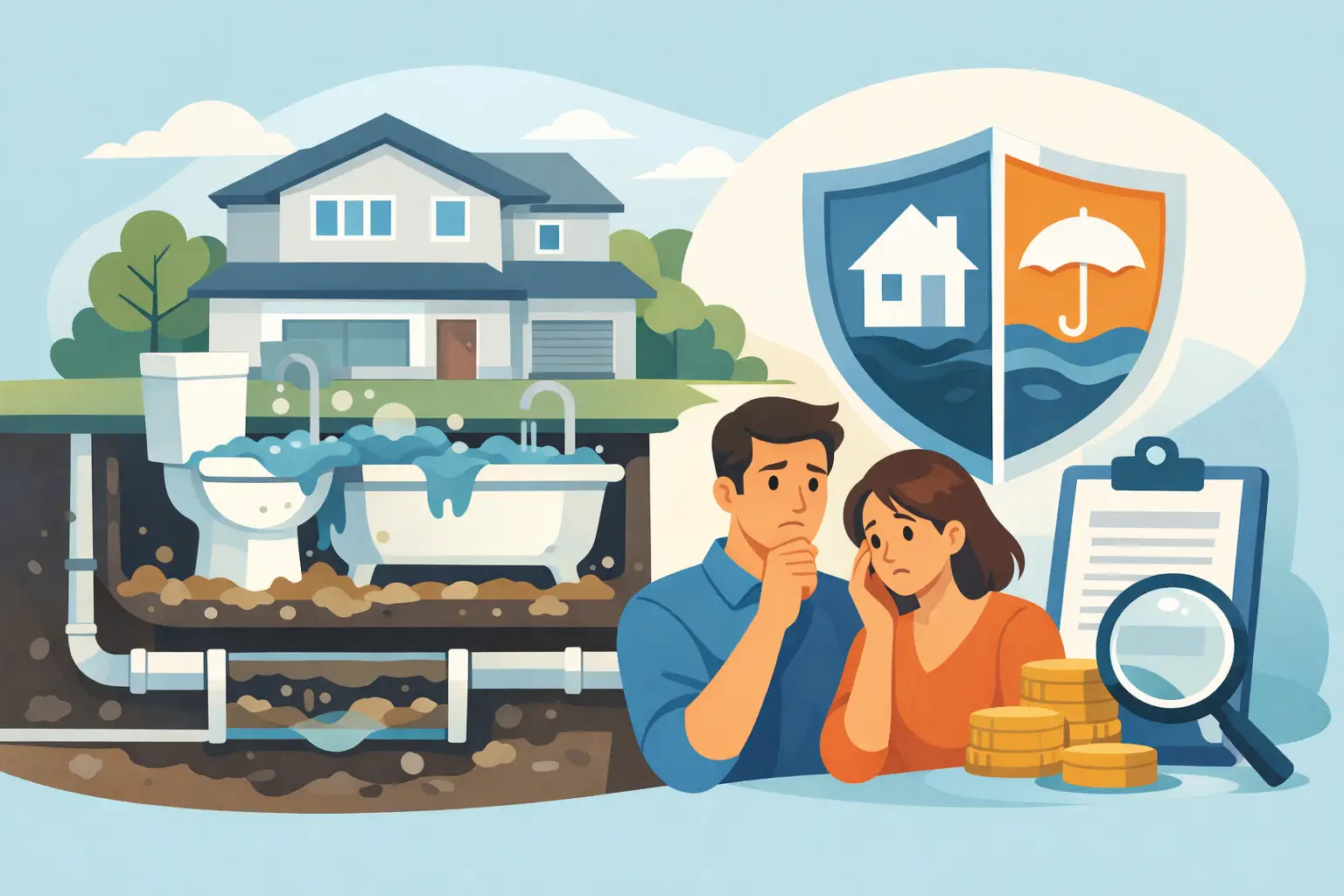


A sewer backup can turn a finished basement into a contaminated cleanup zone in minutes. The first question most homeowners ask is, are sewer backups insured? The honest answer is: sometimes, but standard homeowners insurance often does not cover sewer or drain backup unless you purchased specific added protection.
That difference matters. A policy may cover sudden water damage from a burst pipe but exclude sewage that rises through a basement floor drain, toilet, shower, or laundry sink. Before cleanup begins, know what your policy says, protect the property from further damage, and get the cause documented by a qualified drain professional.
Are Sewer Backups Insured Under Homeowners Insurance?
Sewer backup coverage usually comes through an endorsement, rider, or optional add-on rather than the base policy. It may be labeled sewer and drain backup coverage, water backup coverage, or service line coverage. The wording varies by insurer, and the coverage limit can be far lower than the total cost to restore a finished basement.
When the endorsement is in place, it may help pay for sudden damage caused by water or sewage that backs up through a sewer, drain, sump system, or related plumbing connection. Depending on the policy, coverage can include damaged flooring, drywall, furniture, electrical components, cleanup, and sanitation work.
But coverage is not automatic, and it is not unlimited. Many policies have a separate deductible for water backup claims. A homeowner with a $10,000 backup limit could still face major out-of-pocket costs if sewage damages flooring, cabinets, insulation, and personal belongings throughout the basement.
Insurance also looks closely at the cause. A municipal sewer surcharge after a heavy storm is different from a backup caused by roots, grease buildup, a collapsed private sewer lateral, or poor maintenance on the property. An adjuster may approve some sudden damage while excluding the cost to repair the worn or damaged pipe itself.
What Sewer Backup Insurance May Cover
If your policy includes water or sewer backup protection, a claim may cover the direct, sudden damage from the event. This can include professional extraction, contaminated water cleanup, removal of damaged materials, drying, odor control, and restoration of affected finishes.
Coverage may also apply to personal property damaged by sewage, such as appliances, storage items, furniture, and electronics. Keep in mind that insurers may use depreciation when valuing older belongings unless you have replacement-cost coverage.
The repair side is more complicated. If a backed-up main sewer line damaged your basement, the insurance policy may cover cleanup and restoration but not replacement of the failing underground line. Service line coverage can sometimes help with privately owned water or sewer lines between the home and the public connection, but it has its own limits, exclusions, and deductible.
Ask your insurer clear questions before you need to file a claim: Does my policy include sewer and drain backup? What is the dollar limit? Is there a separate deductible? Does coverage apply to sump pump failure? Does it cover the sewer line on my property? A short call now can prevent a painful surprise later.
Common Reasons a Sewer Backup Claim Is Denied
A denial does not always mean the homeowner did something wrong. It can simply mean the loss falls outside the policy language. Still, several situations regularly create coverage problems.
Normal wear, gradual deterioration, and deferred maintenance are frequently excluded. For example, if a camera inspection shows an old clay pipe has been slowly collapsing for years, an insurer may not pay to replace that pipe. The sudden sewage overflow may be treated separately, but there is no guarantee.
Flooding from rising groundwater or surface water is also commonly excluded from a standard homeowners policy. Water entering through foundation cracks, window wells, or an overwhelmed drainage system may require separate flood protection, depending on where you live and how the policy defines the source of water.
Sump pump failures deserve special attention. If a pump stops during a storm because of a power outage, mechanical failure, or an overwhelmed discharge line, damage may be excluded unless your policy specifically includes sump overflow or water backup coverage. A battery backup can reduce the risk, but it does not replace proper insurance protection.
Insurers can also question claims where the property was left vacant, the plumbing was not maintained, or the homeowner failed to take reasonable steps to limit further damage. That does not mean you should attempt hazardous sewage cleanup yourself. It means you should act quickly, document the problem, and arrange safe professional service.
What to Do Immediately After a Sewer Backup
Sewage is not ordinary water. It can carry bacteria, viruses, and contaminants, so keep children and pets away from the affected area. Do not walk through standing sewage if you can avoid it, and do not run fixtures, flush toilets, use the dishwasher, or do laundry until the drainage issue has been assessed.
First, stop water use in the house. If the backup is active, turn off the main water supply only if you suspect an internal plumbing leak or fixture problem. If sewage is rising from multiple basement drains or fixtures, the issue may be in the main sewer line or municipal system, and adding more water to the system can make the damage worse.
Take photos and video before cleanup when it is safe to do so. Record the affected rooms, water level, damaged contents, and the fixtures where sewage appeared. Save receipts for emergency cleanup, temporary protection, and repair work. Then notify your insurer promptly and ask what documentation they require before materials are removed.
A licensed drain specialist can identify whether the blockage is on the private line, near the street connection, or further downstream. A camera inspection is especially useful because it provides evidence of roots, grease, breaks, offsets, pipe collapse, or other conditions that may have caused the backup. Clear documentation supports better repair decisions and may help clarify an insurance claim.
For urgent sewage backups, Water Pro Master Corp provides around-the-clock drain diagnostics, cleaning, camera inspection, and clean, controlled restoration support. The goal is to stop the backup, identify the real cause, and prevent the next emergency without unnecessary digging or surprises.
Prevention Is Often Cheaper Than a Claim
Insurance is financial protection after damage. It is not a substitute for a working drainage system. The best defense against sewer backup is identifying risk before the next heavy rain or blockage.
Older homes are especially vulnerable when their original sewer lines are made of clay, cast iron, or aging materials. Tree roots can enter small joints and grow into a dense blockage. Shifting soil can create low spots where waste collects. Grease, wipes, and debris can narrow a line until one busy evening or storm pushes it over the edge.
A professional camera inspection can reveal these problems before sewage reaches the basement. If the line needs repair, trenchless pipe relining or pipe bursting may restore it with far less disruption than traditional excavation, depending on the pipe condition and site layout.
Backwater valves are another strong layer of protection for homes connected to municipal sewers. Installed correctly, the valve helps prevent sewage from flowing backward into the home during a surcharge event. It needs periodic inspection and cleaning, because a valve blocked by debris cannot do its job when it matters most.
For homes with basement water concerns, pair sewer protection with reliable sump pump systems, battery backup where appropriate, proper grading, foundation crack repair, and drainage improvements. These are different problems with different solutions, but they often show up during the same major storm.
Review Your Coverage Before the Next Storm
Do not wait for sewage to reach the basement before reading your policy. Check your water-backup limit, deductible, exclusions, and whether your finished basement and stored belongings are properly insured. If the numbers no longer match the value of your home, renovations, or possessions, talk to your insurance professional about adjusting them.
Then take one practical step on the property: schedule a drain assessment if you have slow fixtures, recurring clogs, mature trees near the sewer route, a history of basement water, or an older underground line. A clear diagnosis and timely prevention can protect far more than a basement – it can protect the home you have worked hard to maintain.